The National Museum in Lublin is one of the oldest and largest cultural institutions in eastern Poland. Its headquarters is located on the castle hill, among the medieval buildings. The museum has accumulated the region's richest and most valuable collections representing Polish and European cultural heritage. They range from archaeology to contemporary art. The museum also has eight other branches in Lublin, Nałęczów and Kraśnik.
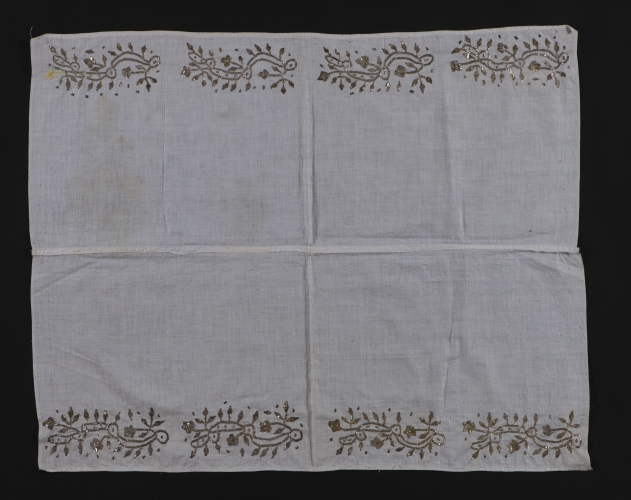
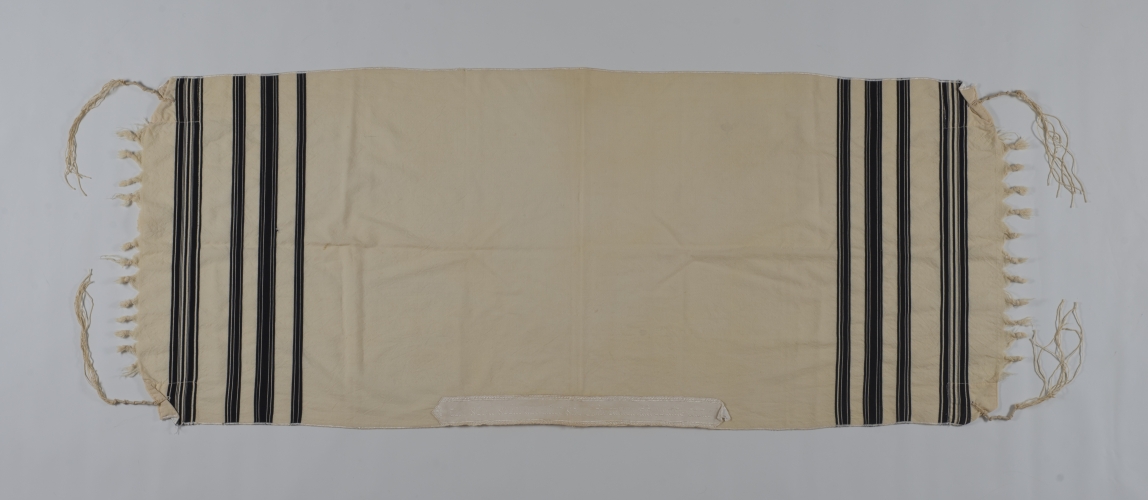
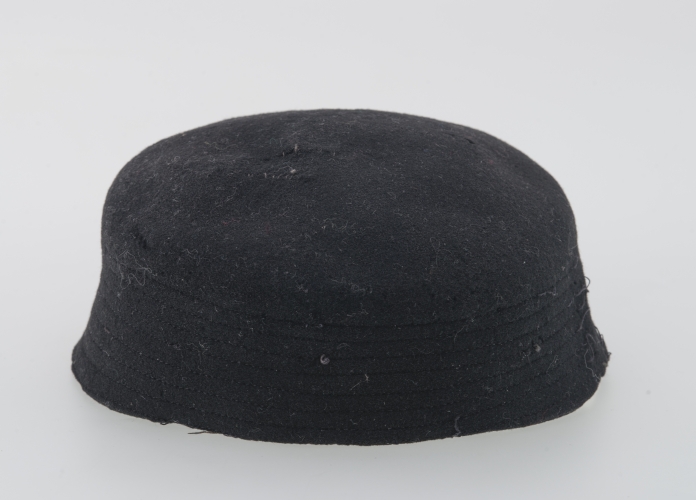
The exhibited collection is a valuable testimony to the life and work of Jews in Poland, especially the community living in Łęczna before World War II. It consists primarily of religious objects and historical memorabilia created between the 18th and 20th centuries in areas including present-day Poland, Ukraine, Israel and the United States. The collection of more than 300 objects related to Jewish material culture comes from the former branch of the National Museum in Lublin, which had its seat in the Łęczna synagogue. A significant part of the collection consists of examples of goldwork, among which stands out a hand-washing bowl with figurative artwork that is rare in Jewish culture, as well as two travel besamim boxes in the form of full-figure fish. In addition, there are objects documenting the fate of people, such as Abraham Rachmil Bromberg, the last Chief Rabbi of Łęczna, or Szmul Ajchenbaum, who donated the land for the construction of the Lublin yeshiva.