
For more than a century, the Ethnographic Museum of Kraków has spread the passion for exploring different ways of life. Its ethnographic collection, the largest and oldest in Poland, includes objects from ethnically Polish areas as well as European and non-European collections procured by researchers and travellers. It was founded by Seweryn Udziela (1857–1937), a teacher, ethnographer and collector of folk culture products. After World War II, the permanent exhibition found its home in the former City Hall building in the centre of Kraków's Kazimierz district, where it remains to this day.
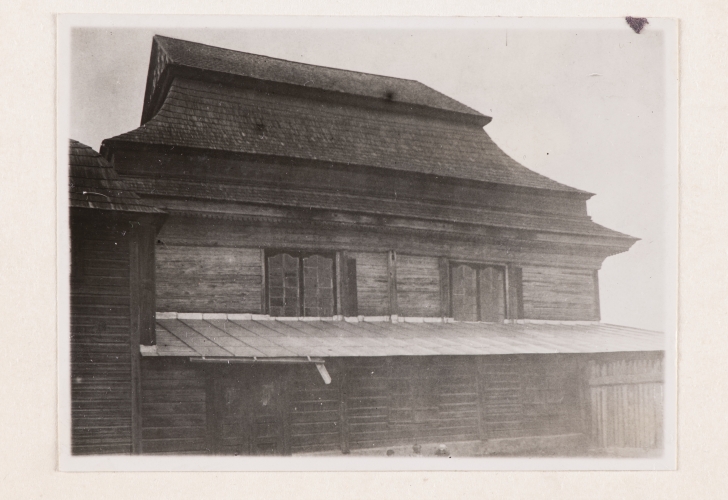
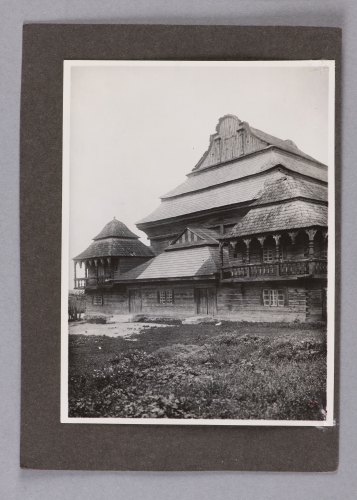
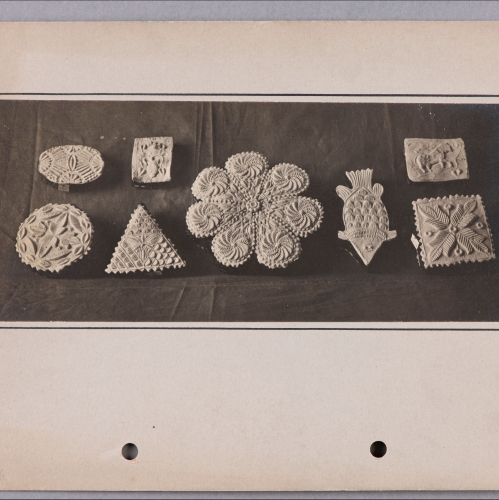
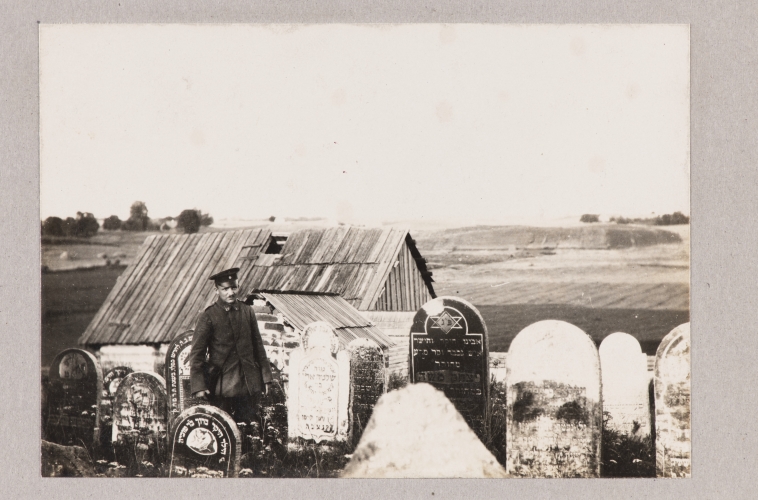
The Ethnographic Museum of Kraków, founded in 1911, has an intriguing collection of everyday objects, working tools, toys, works of art, worship and magic objects, photographs, manuscripts, drawings and sounds. We see them as testimonies of life, evidence of ingenuity and craftsmanship, a wealth of materials: wood, metals, paper, plastic, textiles, minerals, clay, parts of plants, animals.... In various ways, the ethnographic collection provides an understanding of what our world is made of and how we try to cope with it. It all started with the collection of Seweryn Udziela, the museum's founder. Approximately two thousand objects, mainly from West Galicia, formed the nucleus of a collection that fortunately survived the wartime turmoil and today comprises more than 80,000 museum collections and 300,000 archives from various geographical zones and periods.