Chazan (Hebrew: cantor), alongside the rabbi, the ritual slaughterer (shochet), and the religion teacher, is considered one of the synagogue's officials. He is responsible for leading prayers, especially on the Sabbath and holidays. His vocal talents are highly valued. A beautiful voice can bring the chazan fame and recognition among fellow congregants, and it often opens doors to careers on grand opera and concert stages (A, Untermann, Encyklopedia tradycji i legend żydowskich, Warsaw 1994, pp. 56–57).
The destroyed Great Synagogue of Toruń, which was located in the Old Town Complex, was demolished in 1939 . It served the local Jewish Community Council from 1847 (http://cmentarze-zydowskie.pl/torun_zydzi.htm, accessed on 26 february 2021). The Jewish community in Toruń also had a beit ha-midrash (Hebrew: House of Learning that functions as a school and house of prayer). From 1932, the community also managed the synagogue in Chełmża . During the interwar period, the chazans in Toruń included Max Moszkowski and a Rozensztajn (A. Bieniaszewska, Żydzi w Toruniu w latach 1793–1950 [in:] "Rocznik Toruński", 2011, vol. 38, pp. 41–43).
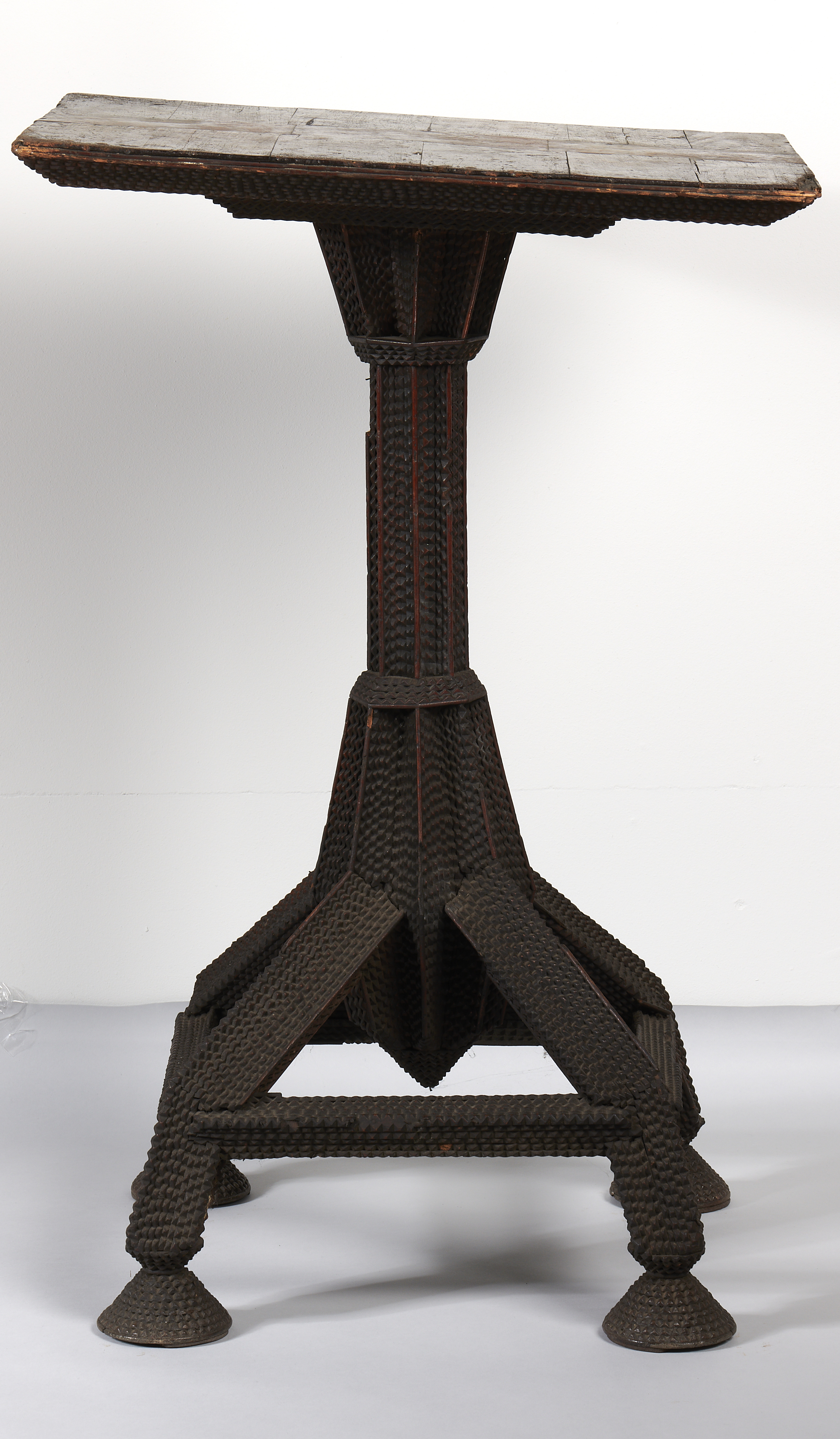
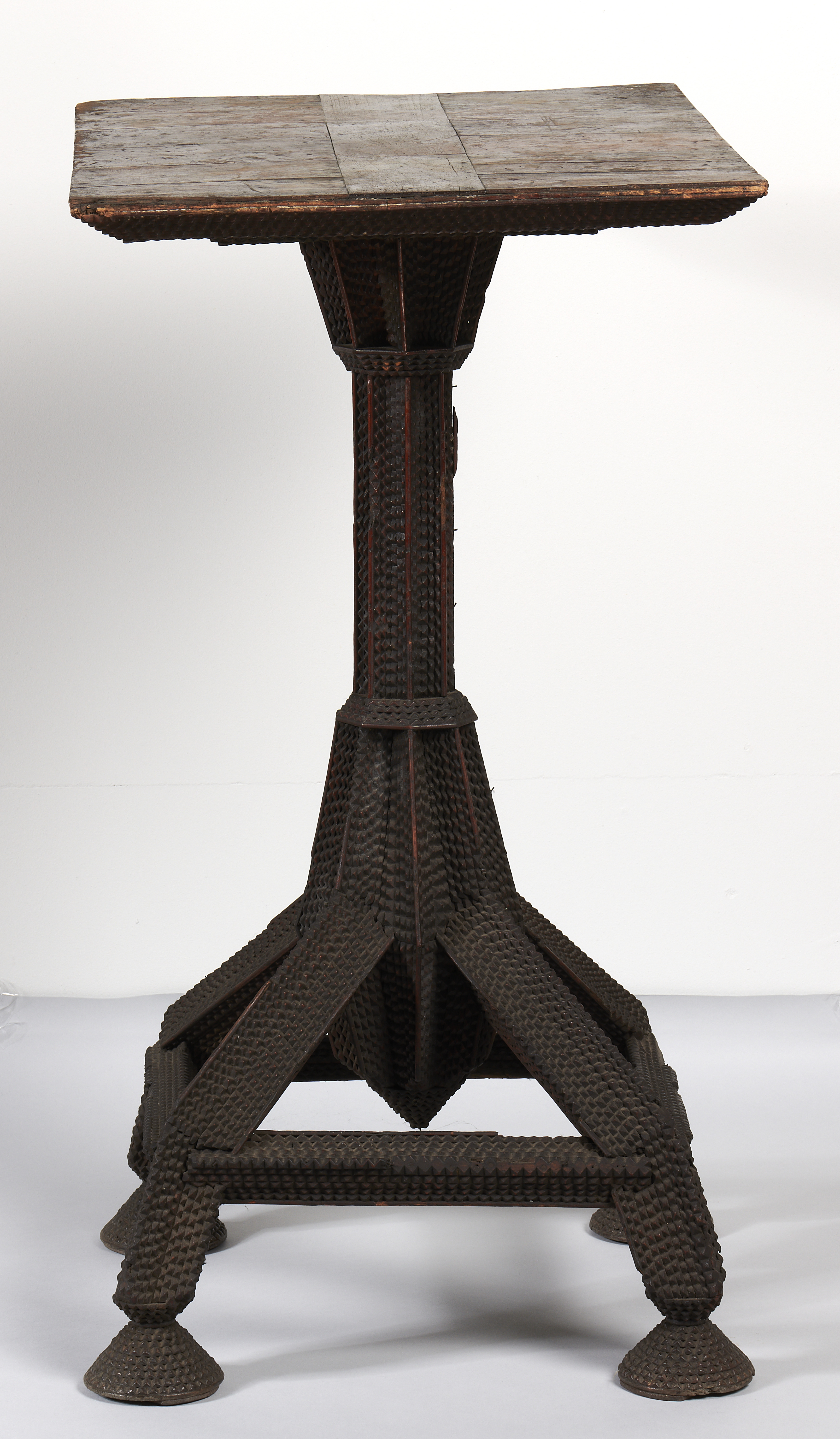
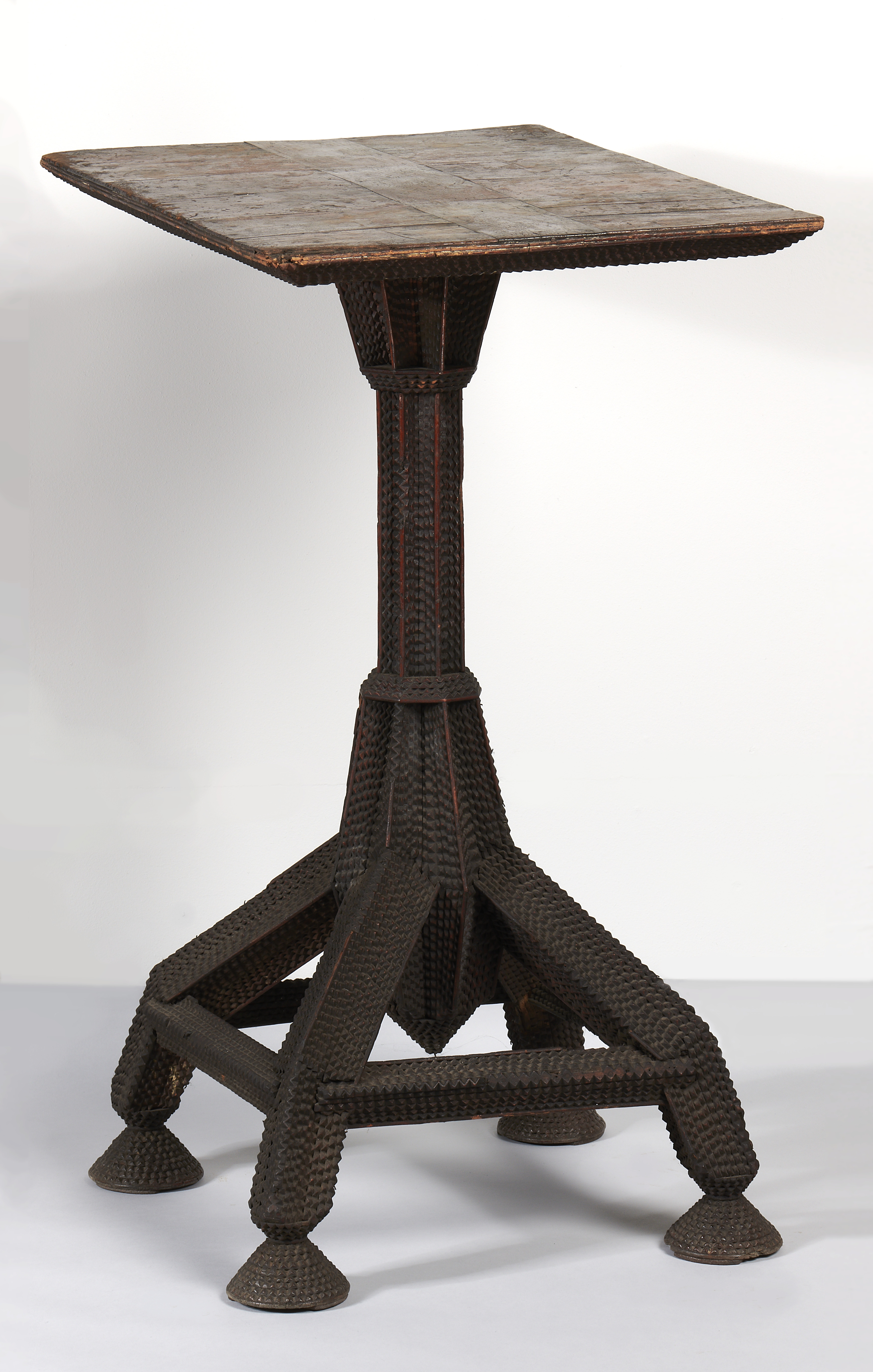
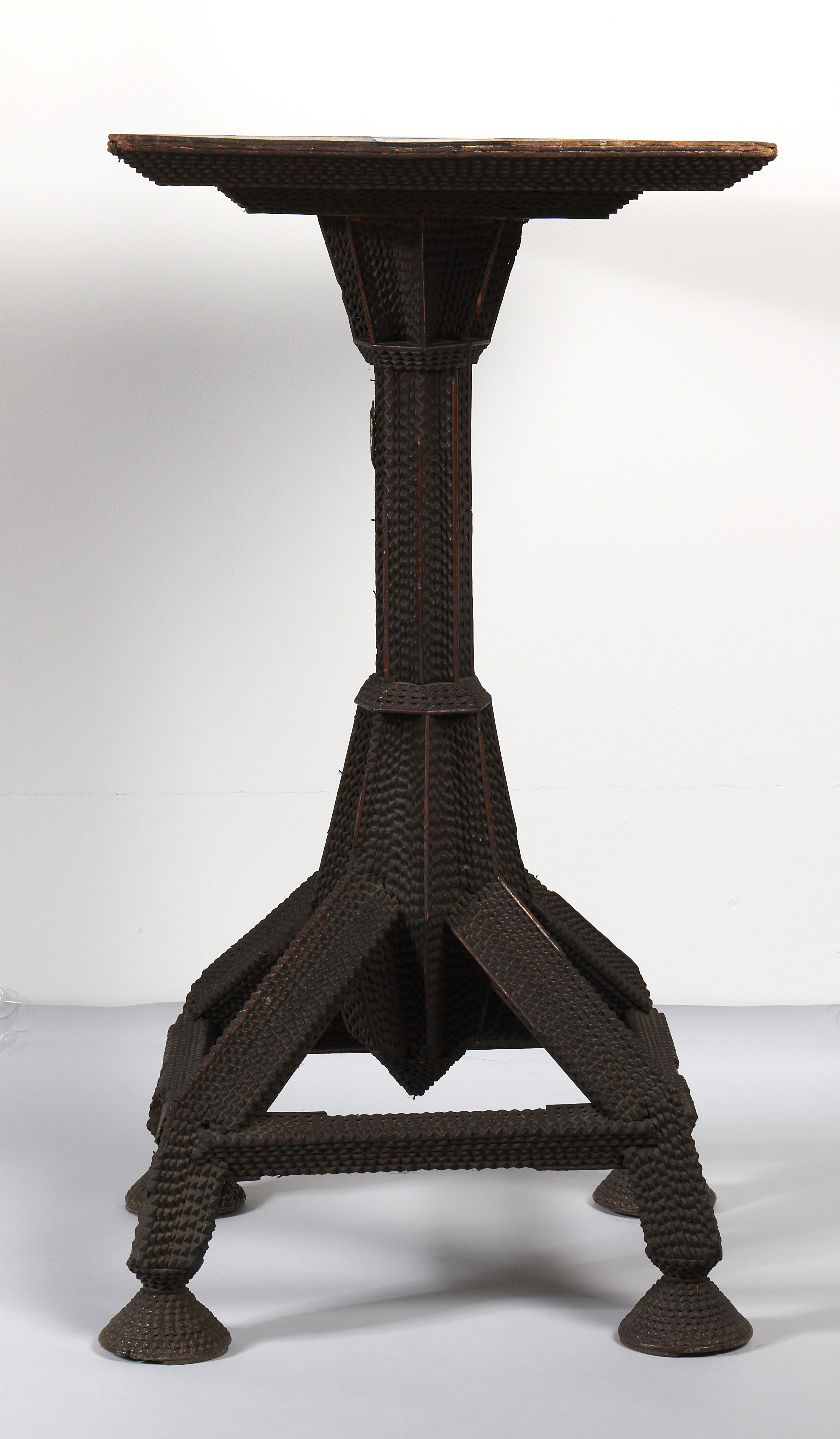
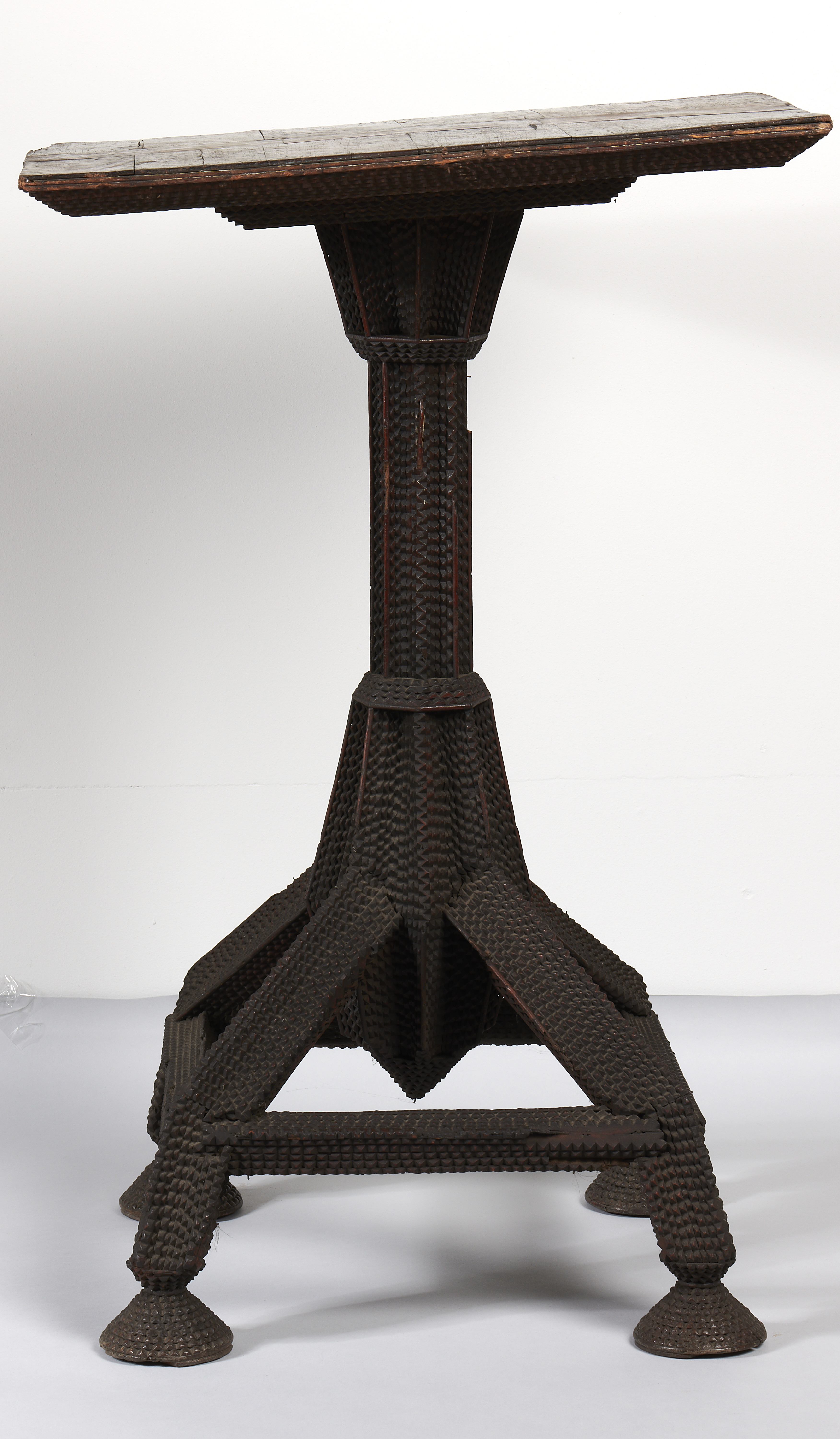
The cantor's lectern in the collection of the District Museum in Leszno has a quadrangular, trapezoidal-shaped top supported by an octagonal pedestal. The top is fixed at an angle of approximately 25 degrees. The pedestal branches into four arms, bent at an open angle and supported by round feet. The entire pedestal is decorated with incised scales-shaped patterns.
The item was purchased in 1993 from an antique shop on Grodziska Street (ul. Grodziska) in Poznań. According to the oral account of the seller, it is believed to have come from either the synagogue in Toruń or the local house of prayer. The lectern was exhibited until 2004 as part of a permanent exhibition dedicated to the history and culture of Jews, presented at the headquarters of the Department of Judaica of the District Museum in Leszno.
Dariusz Czwojdrak