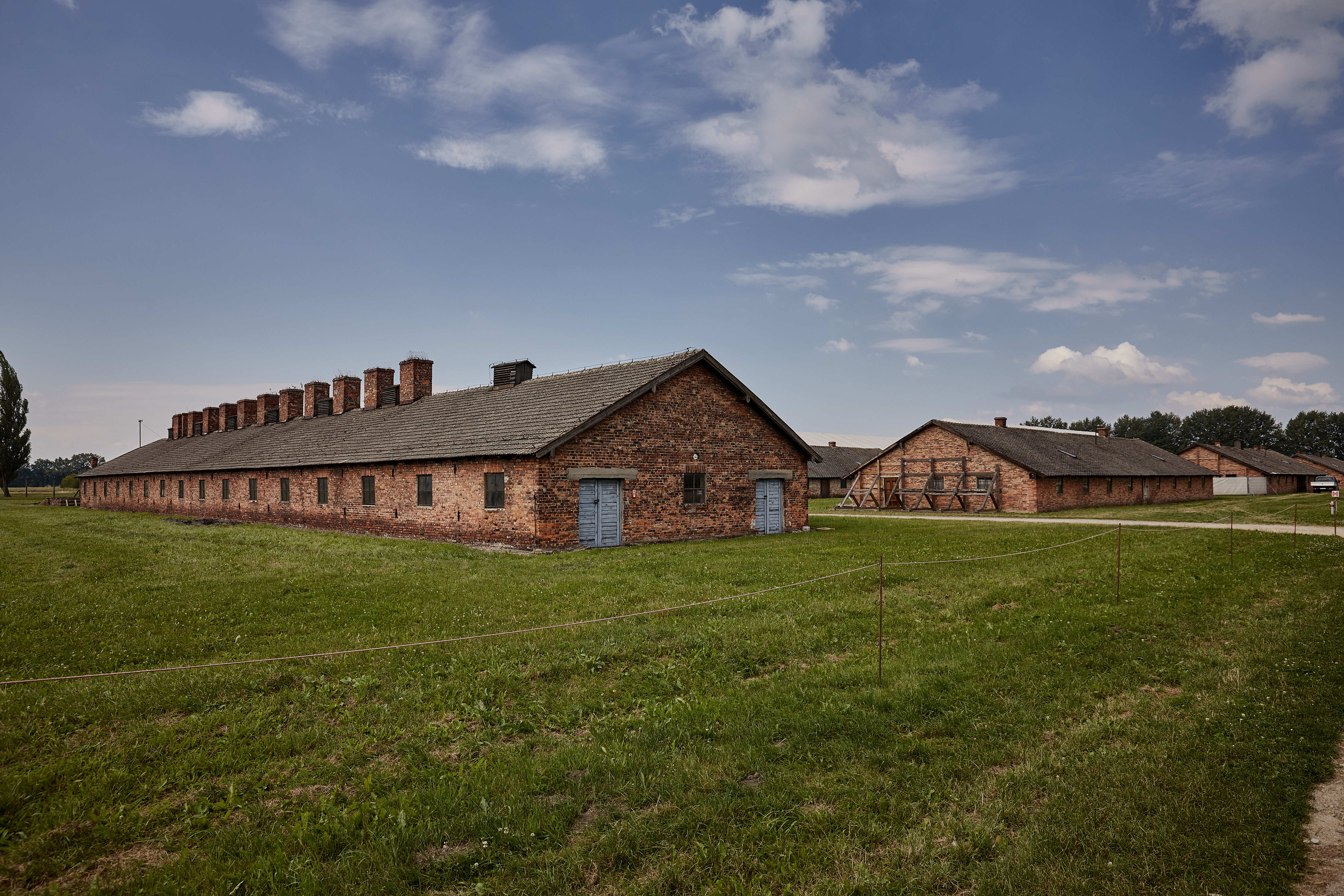
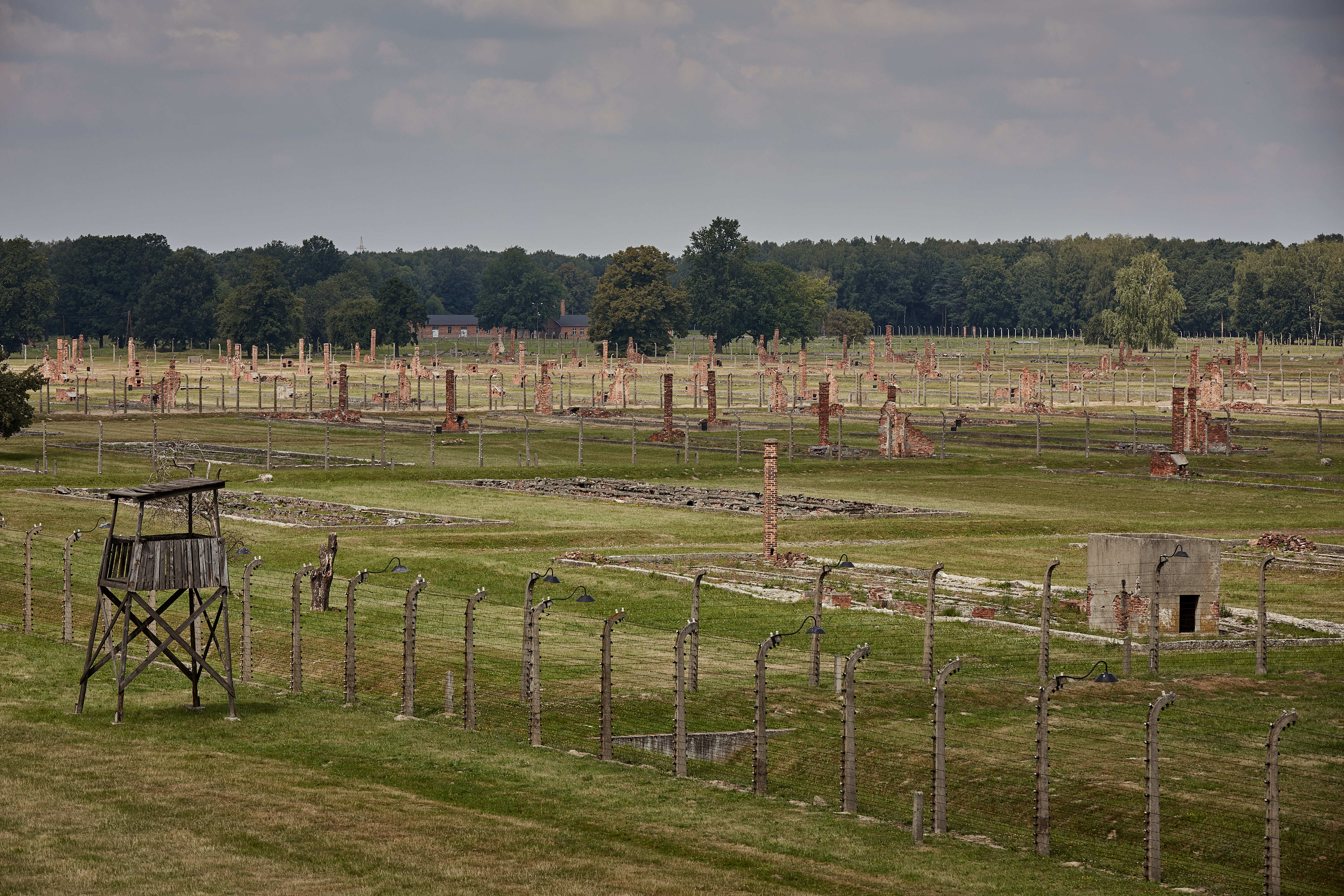
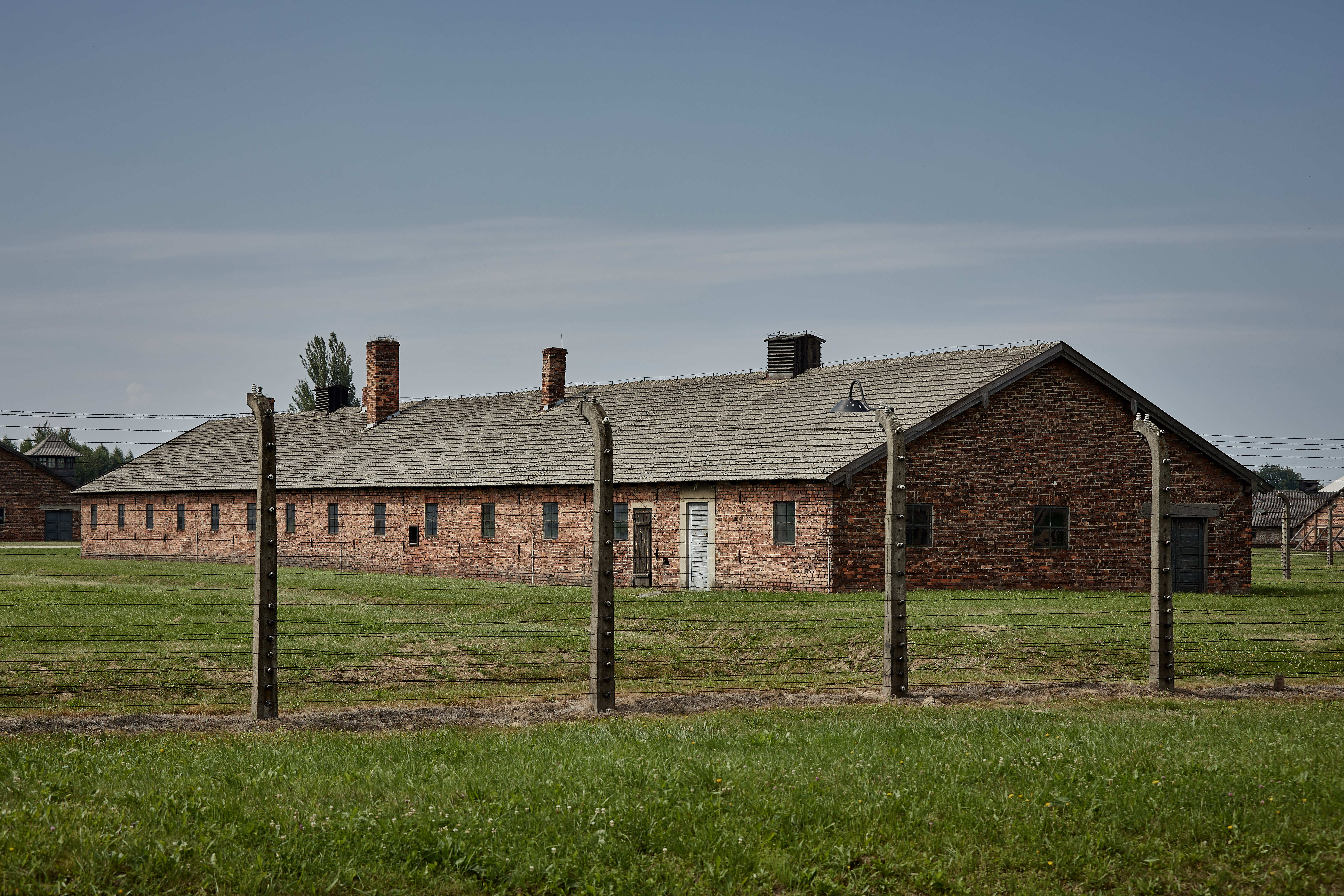
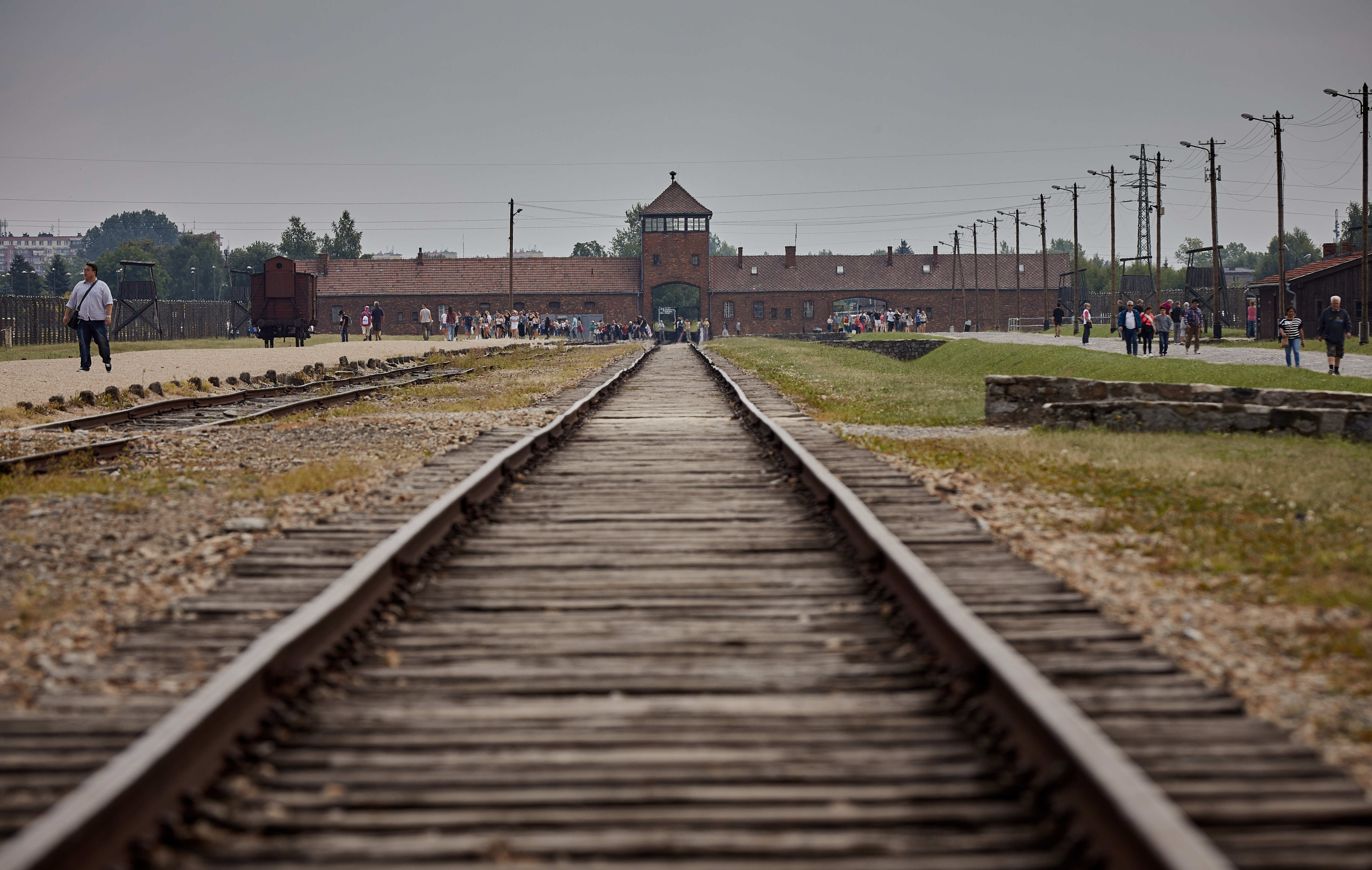
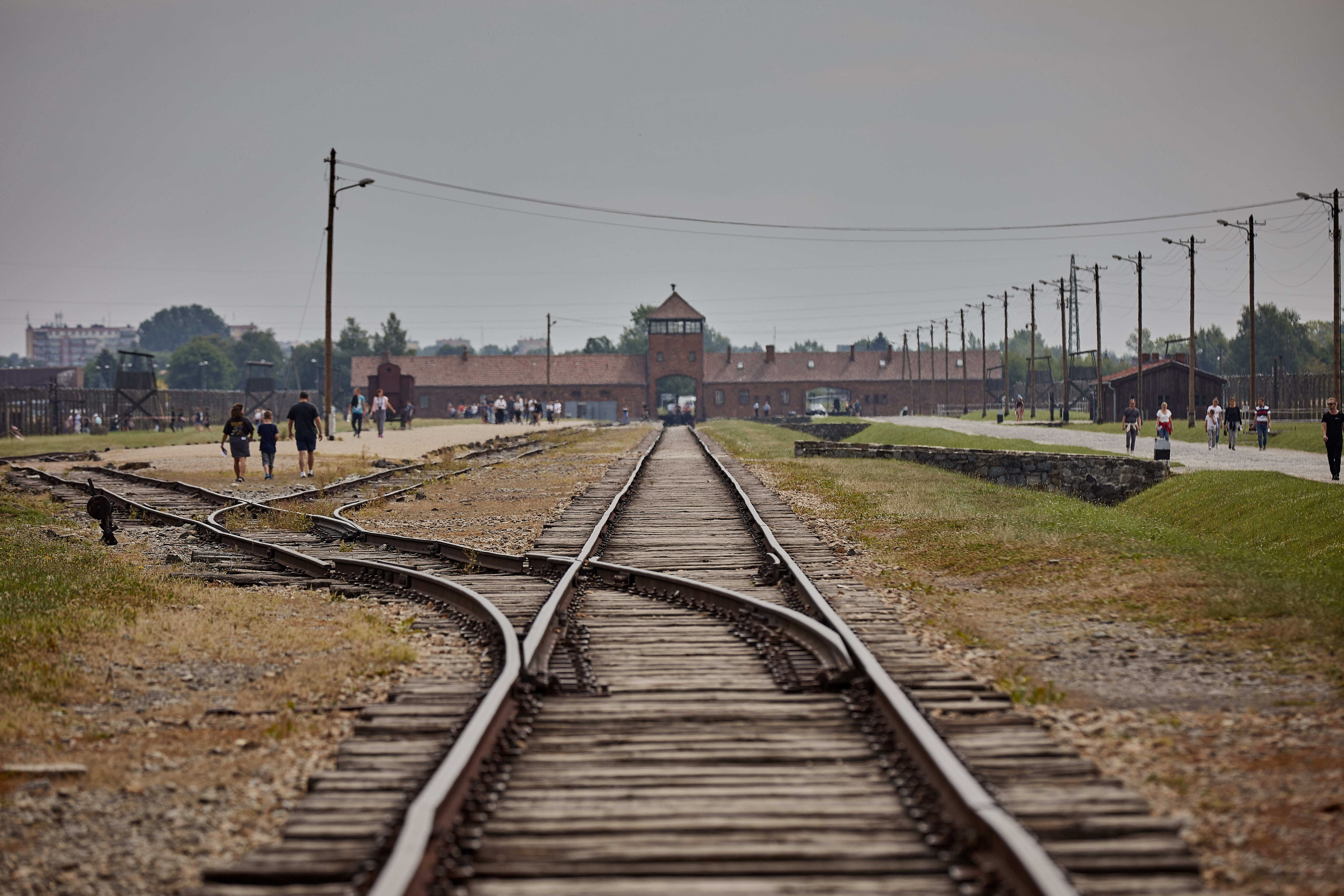
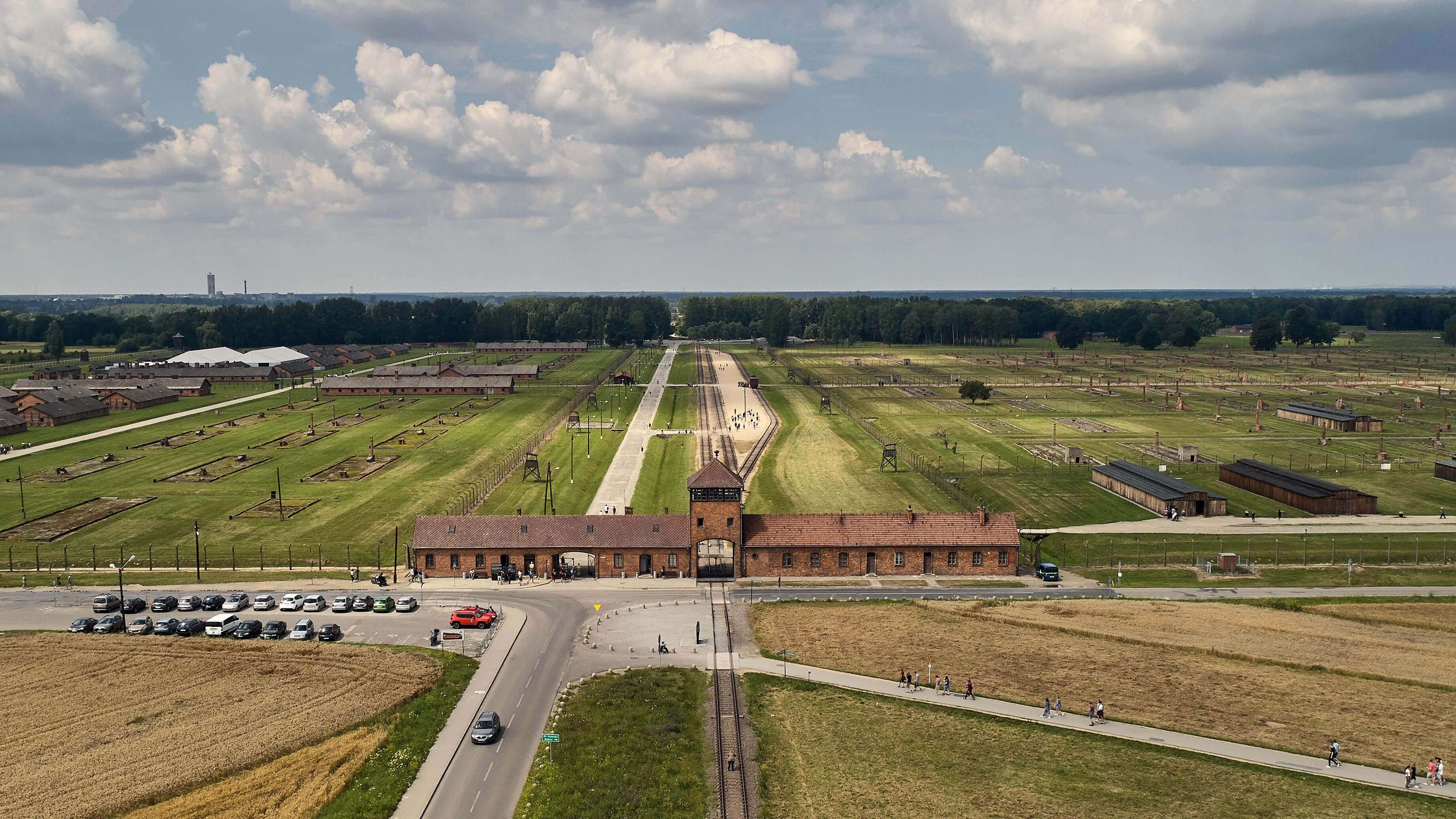
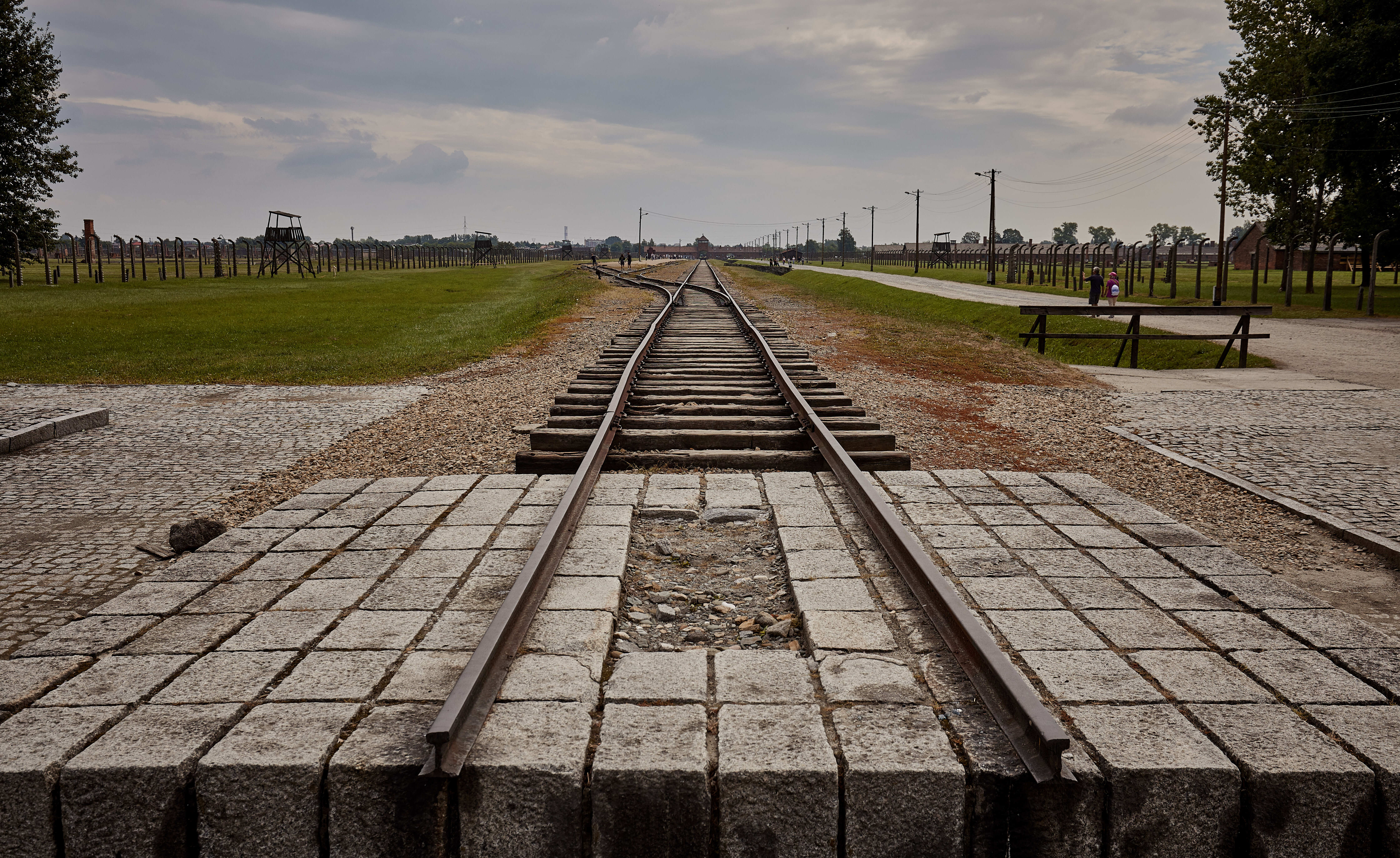
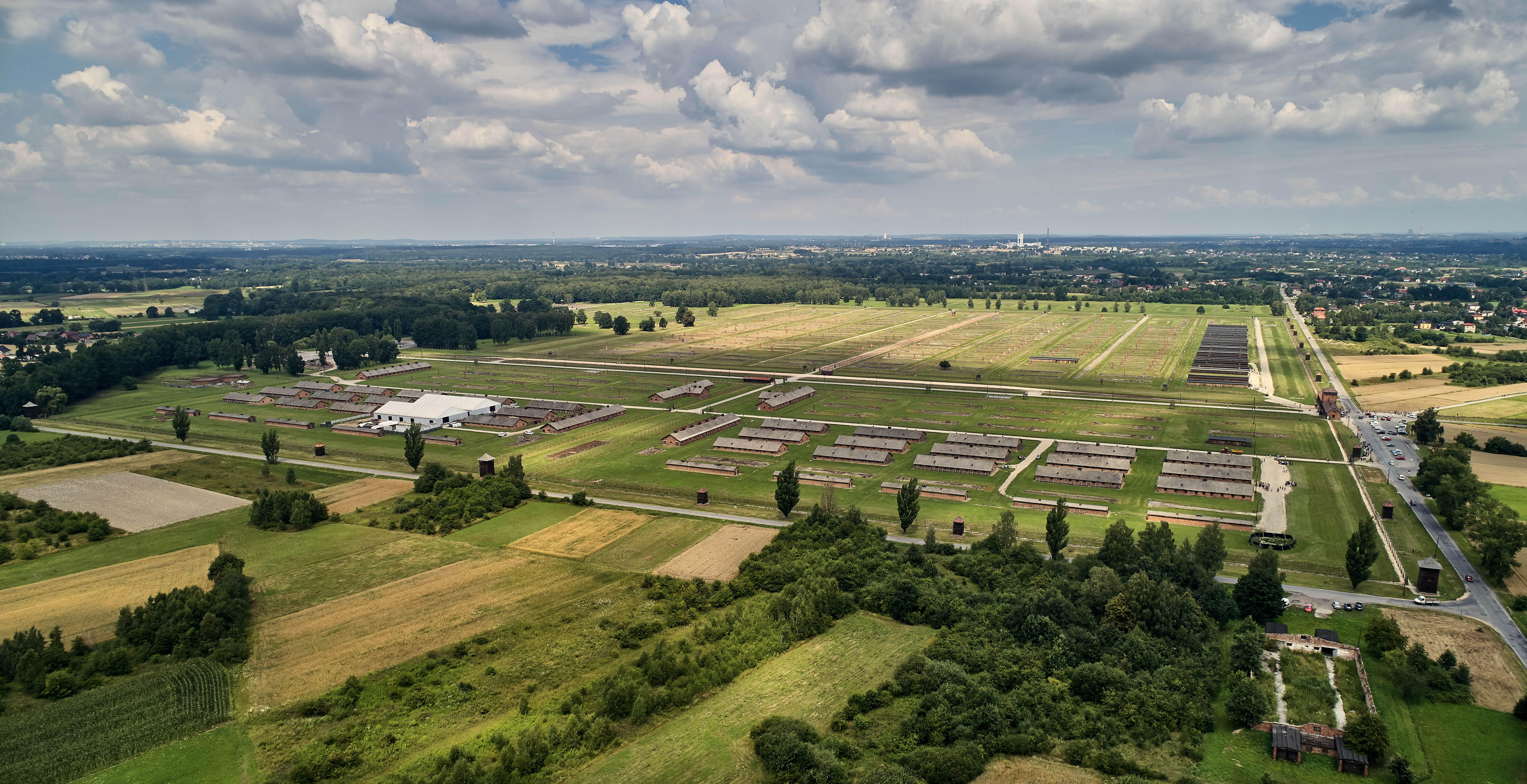
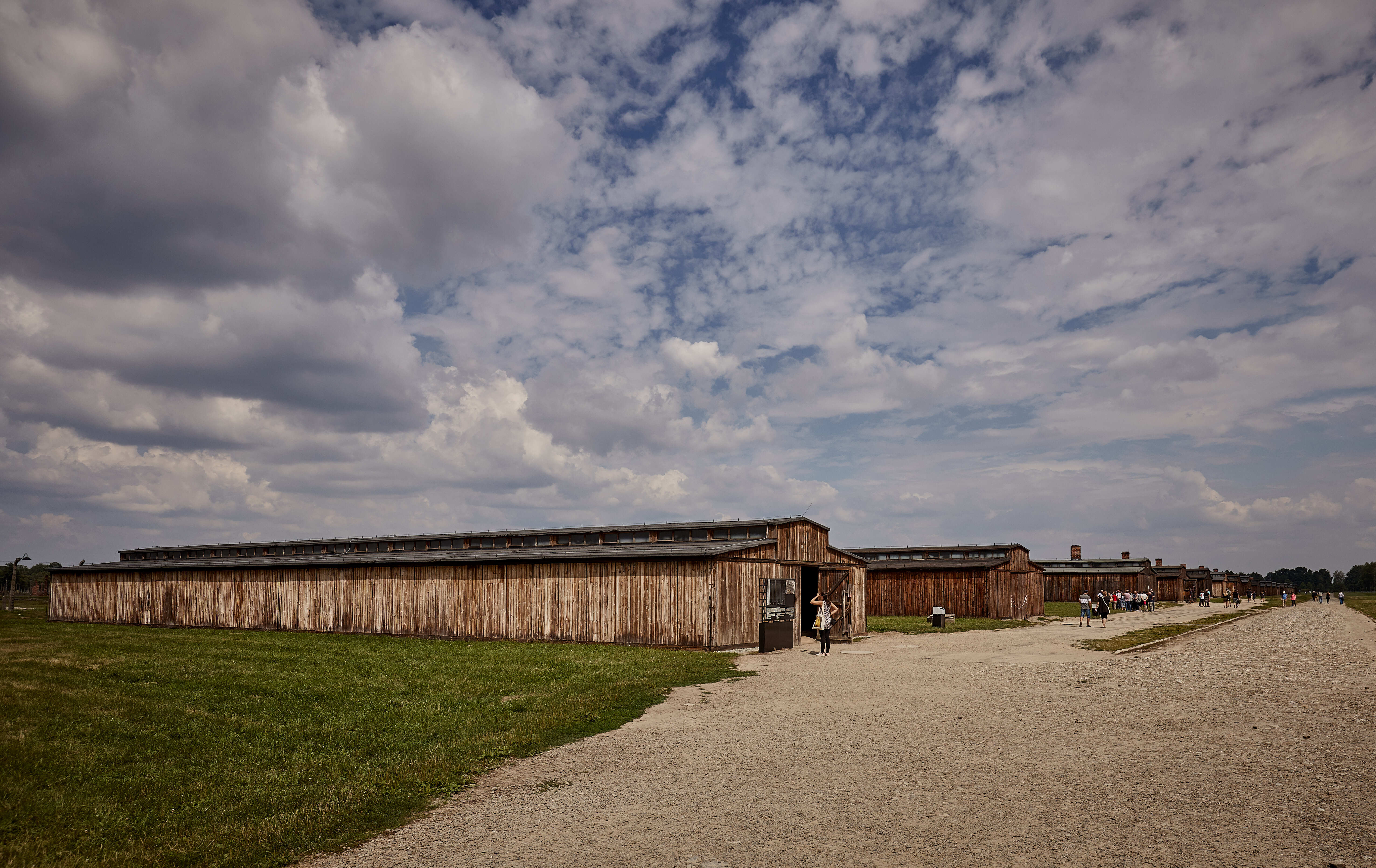
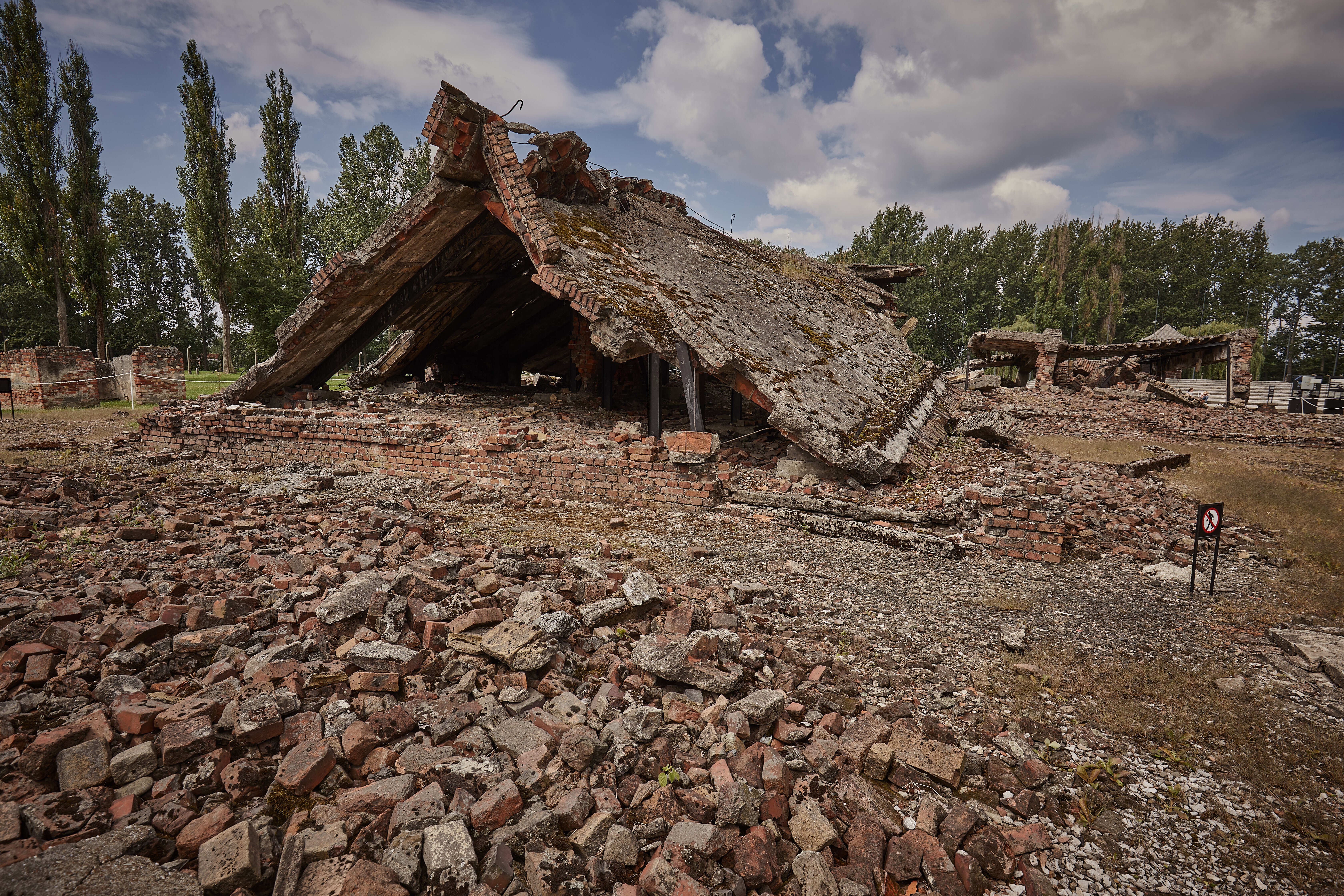
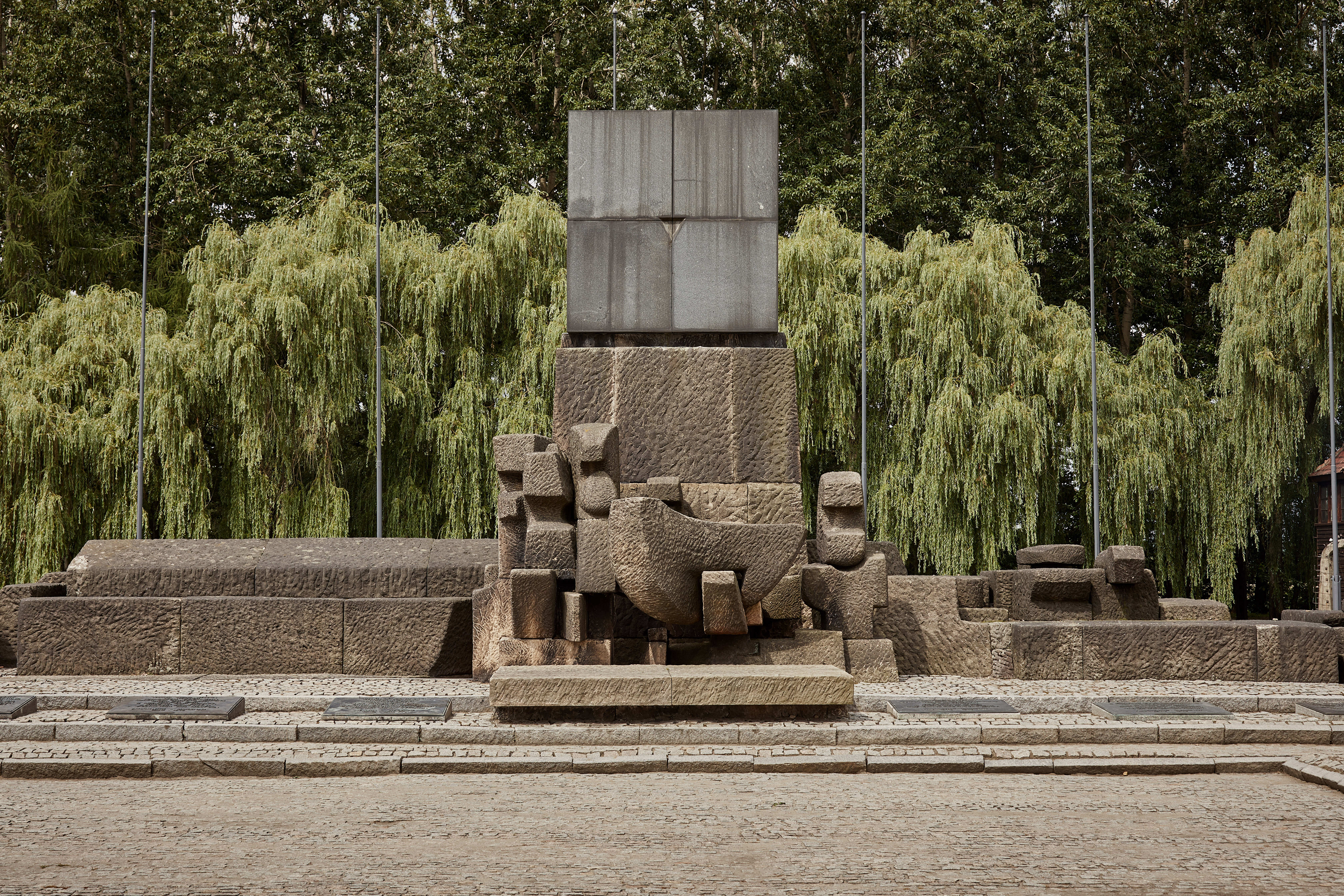
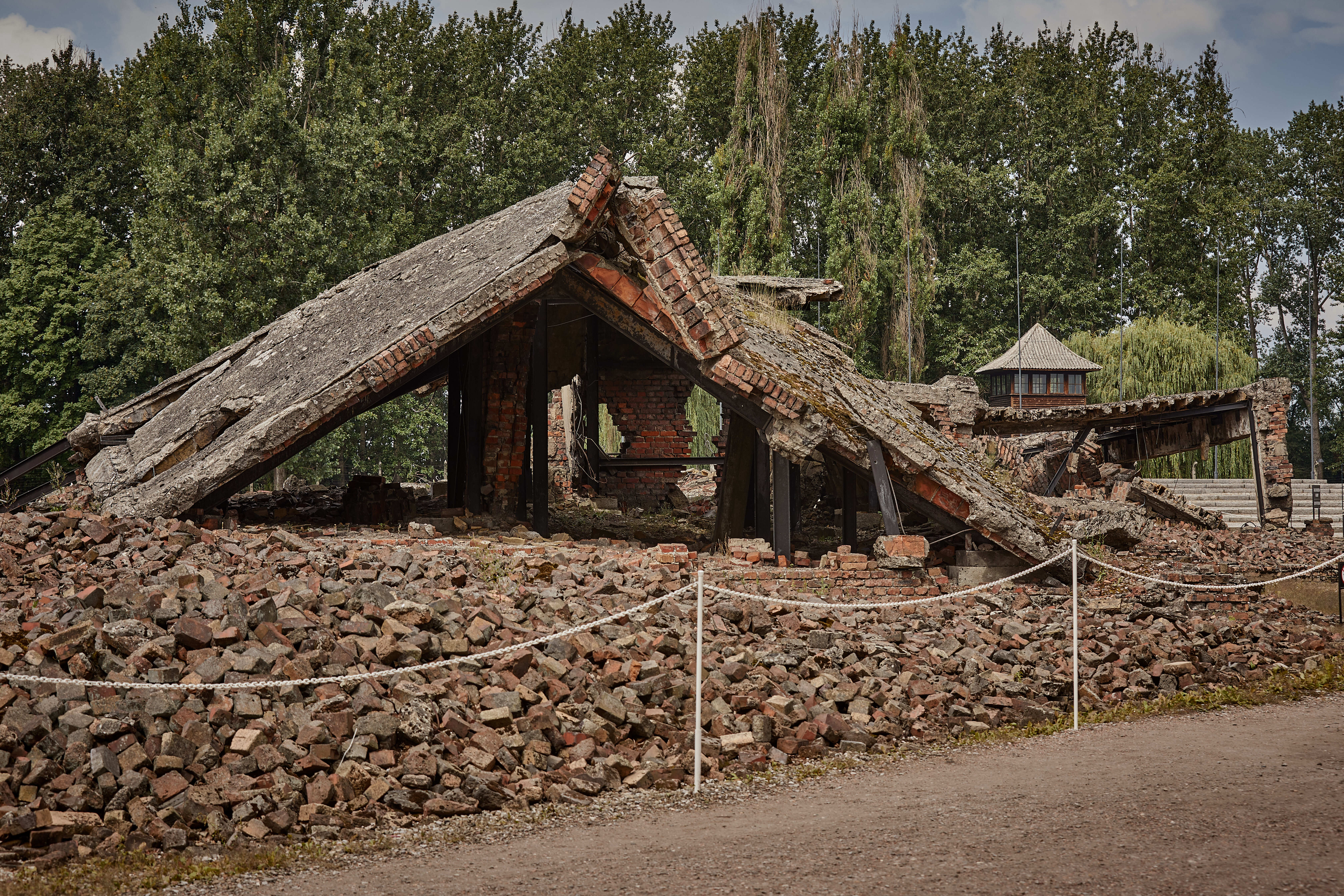
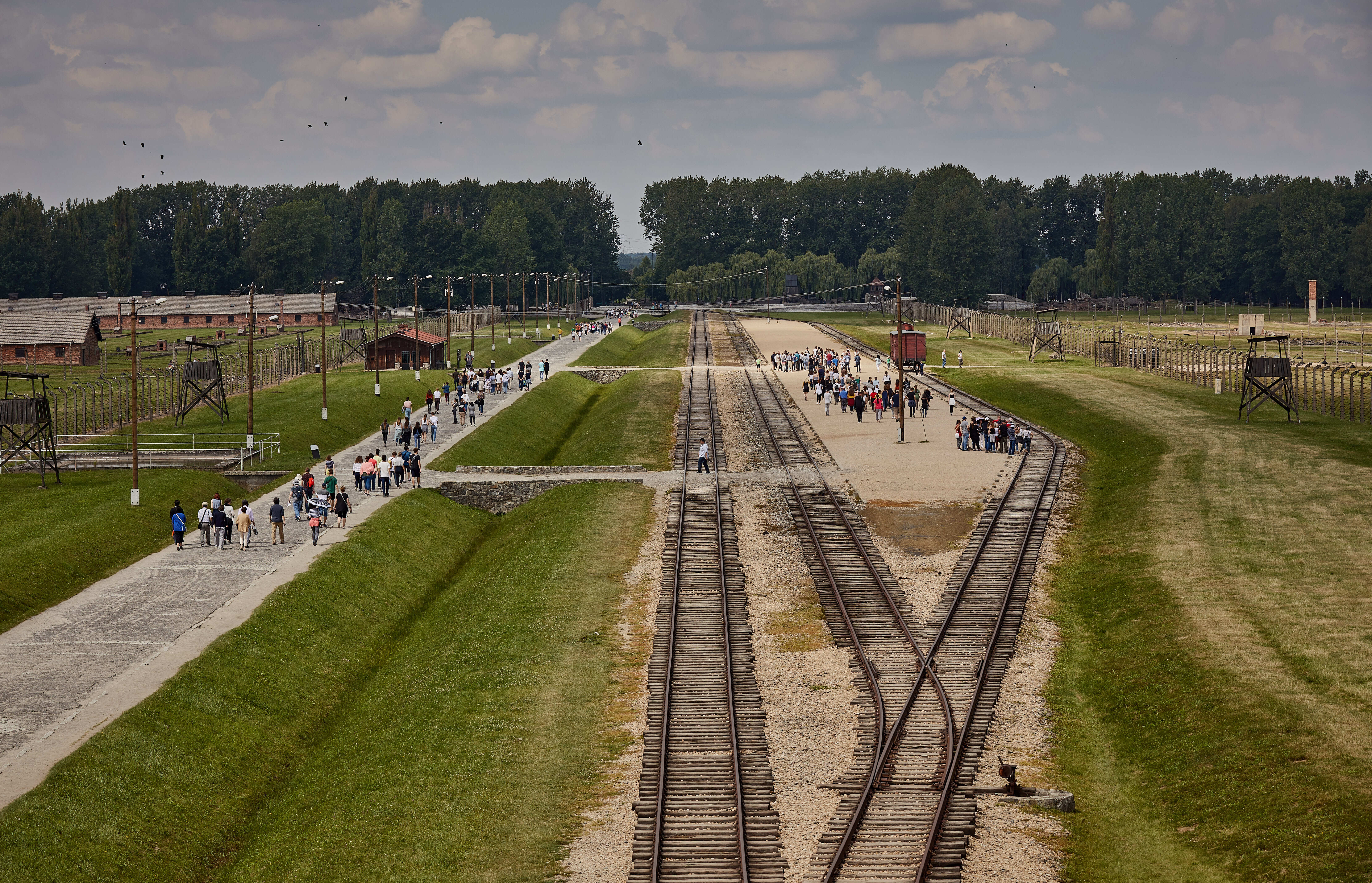
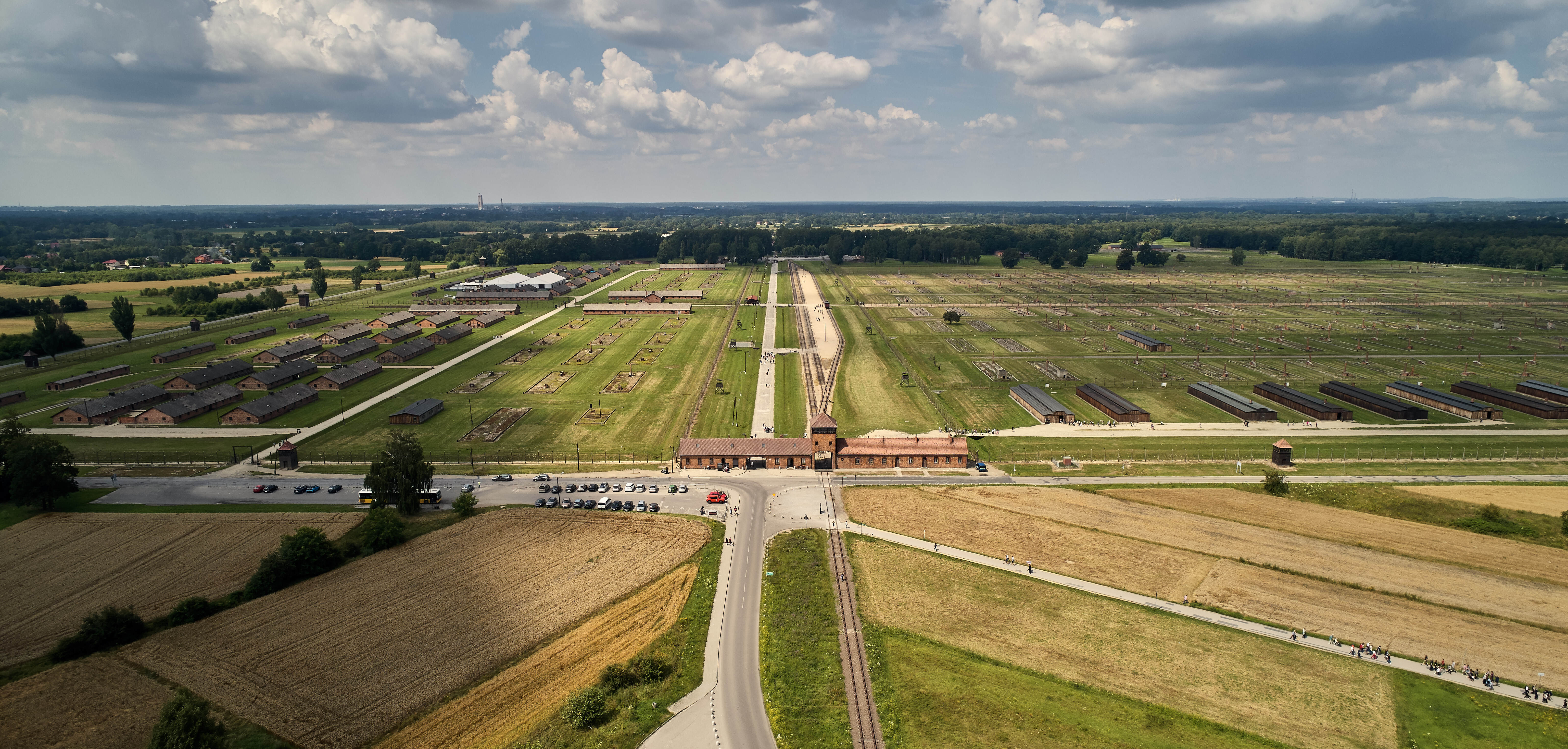
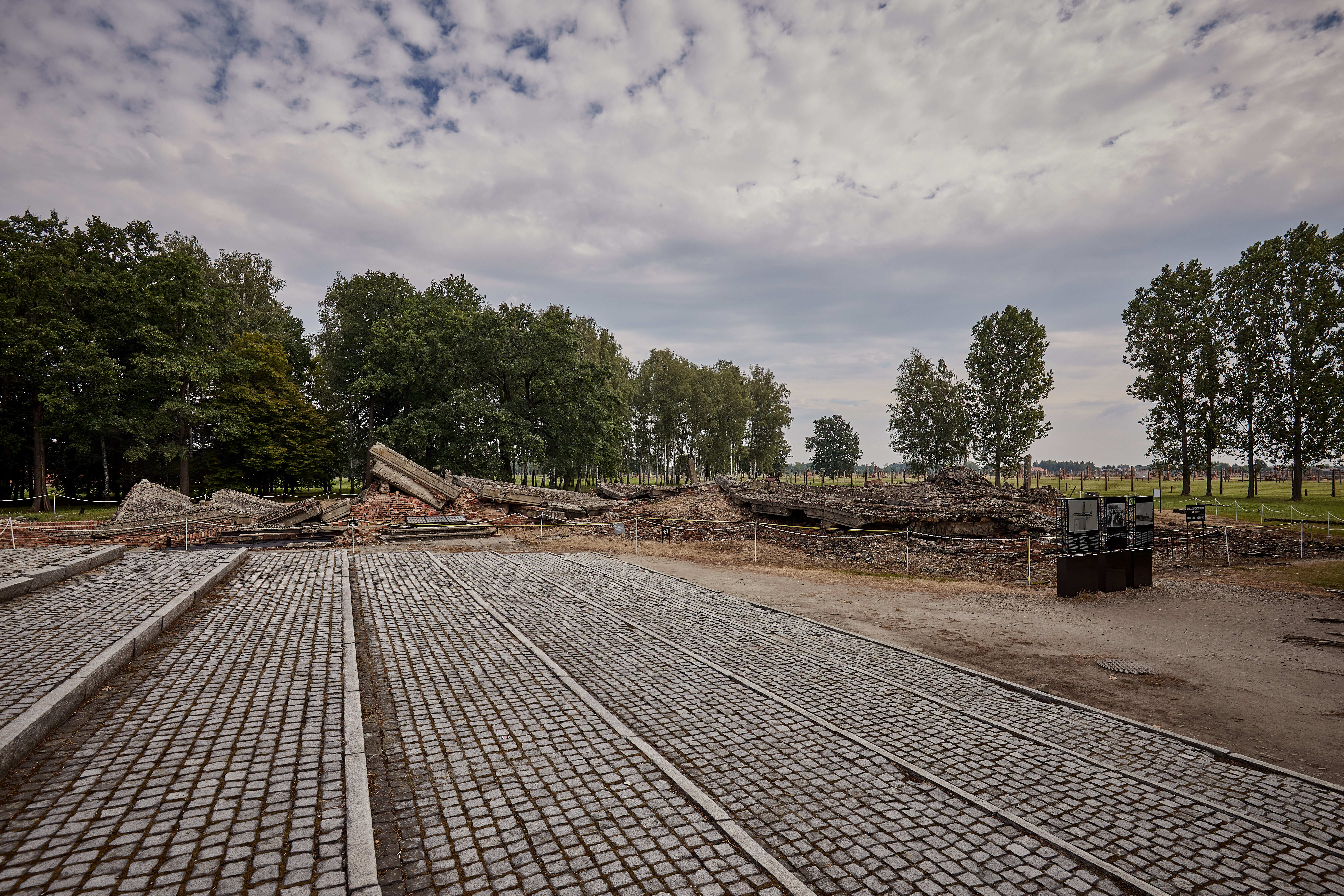
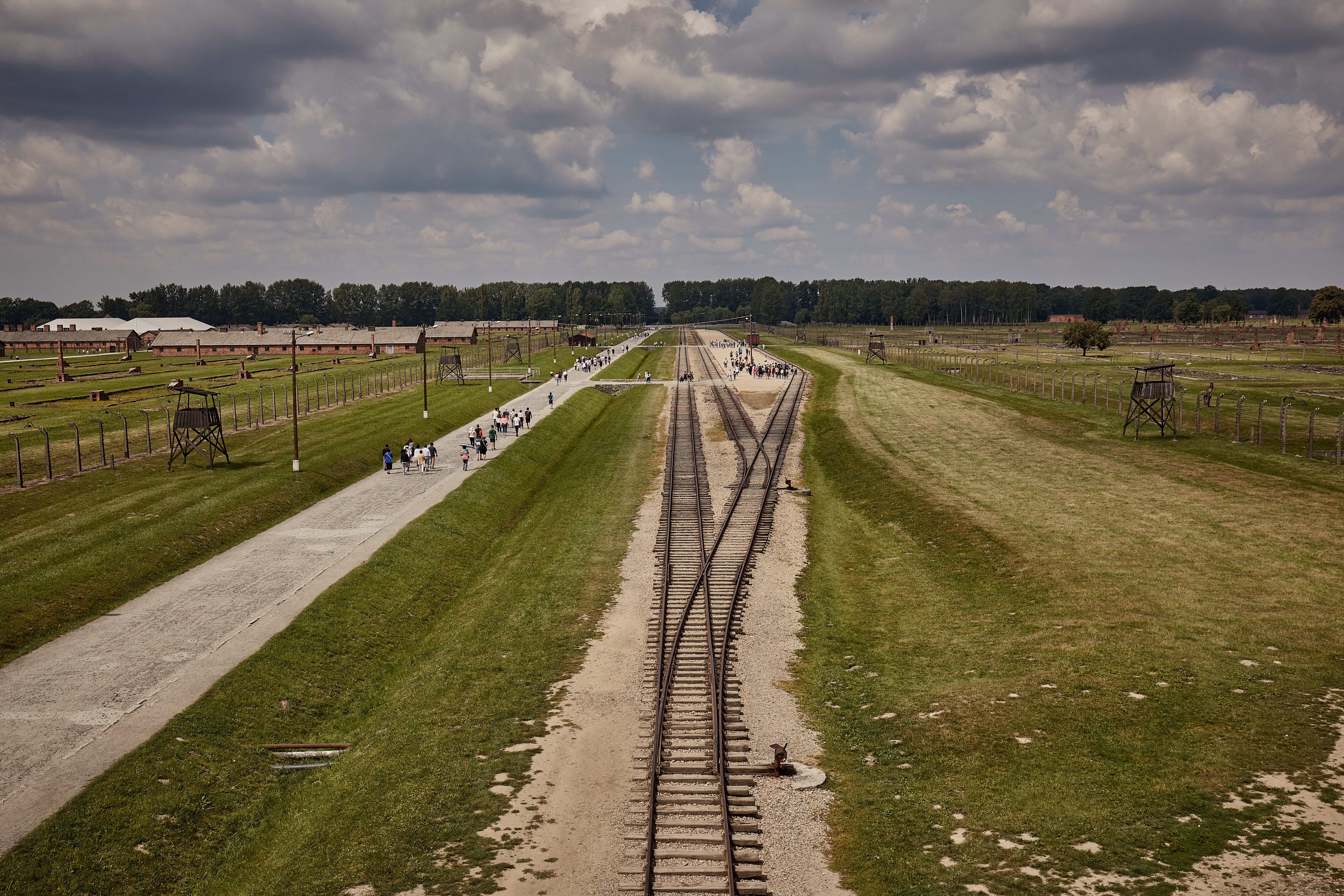
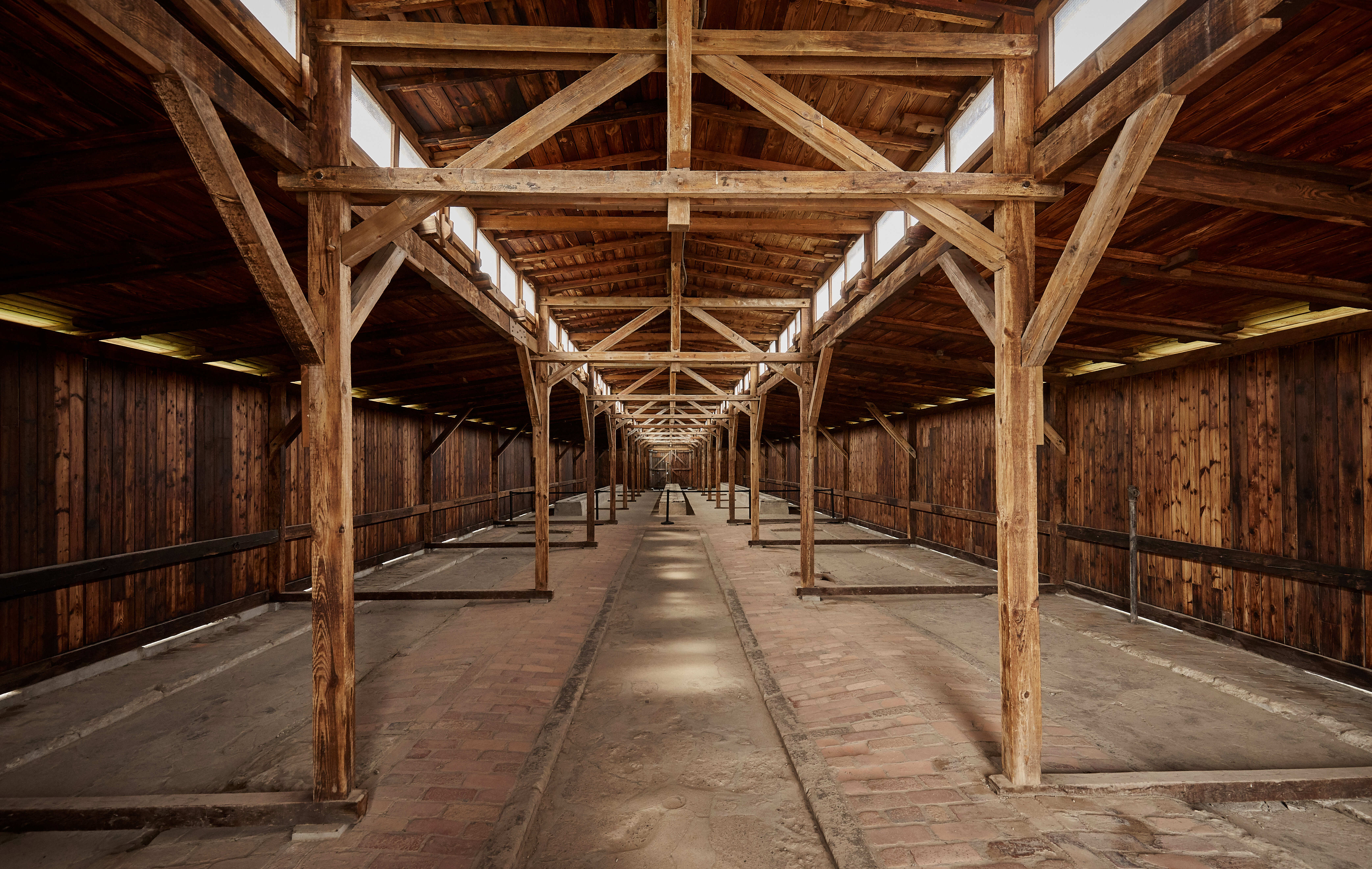
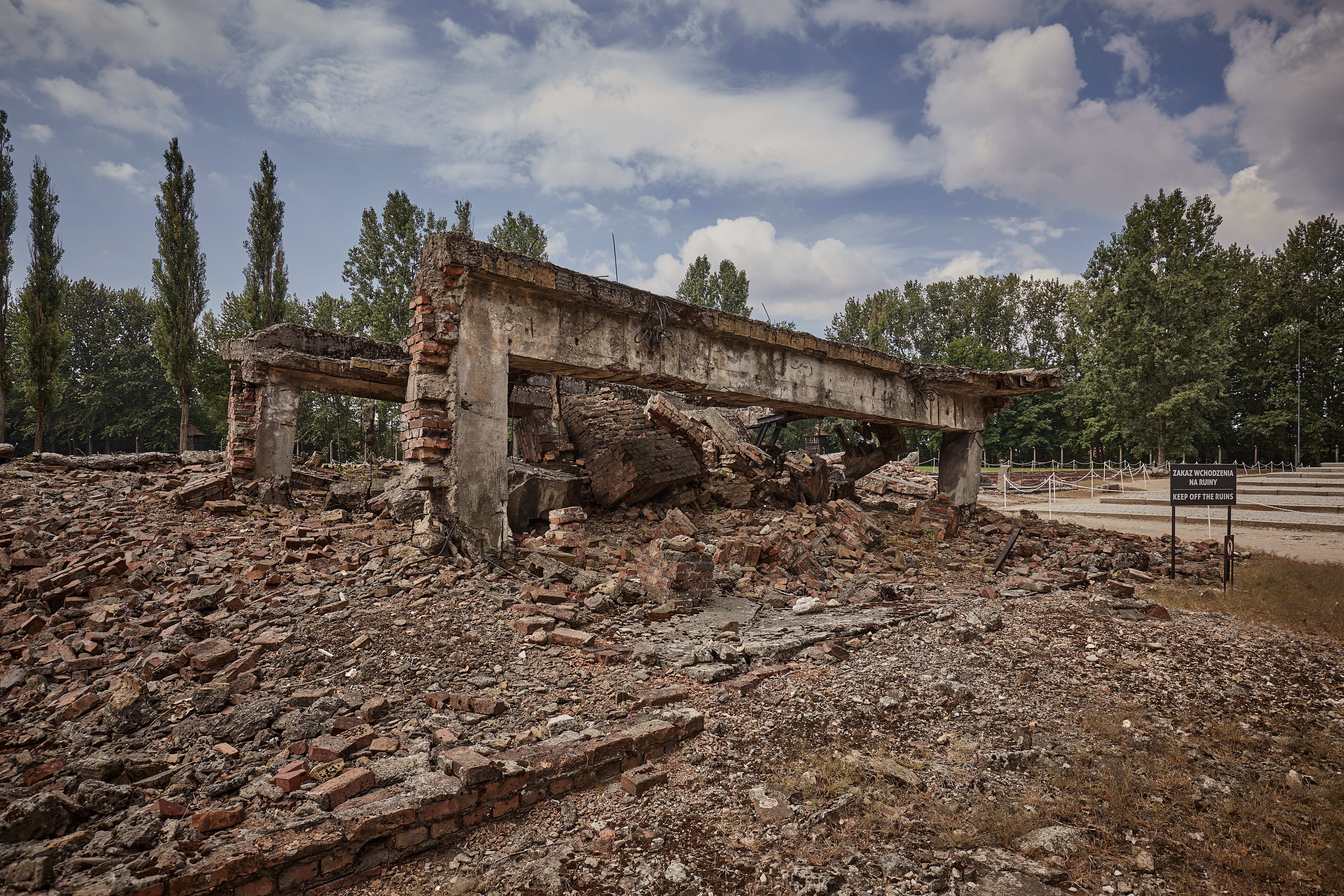
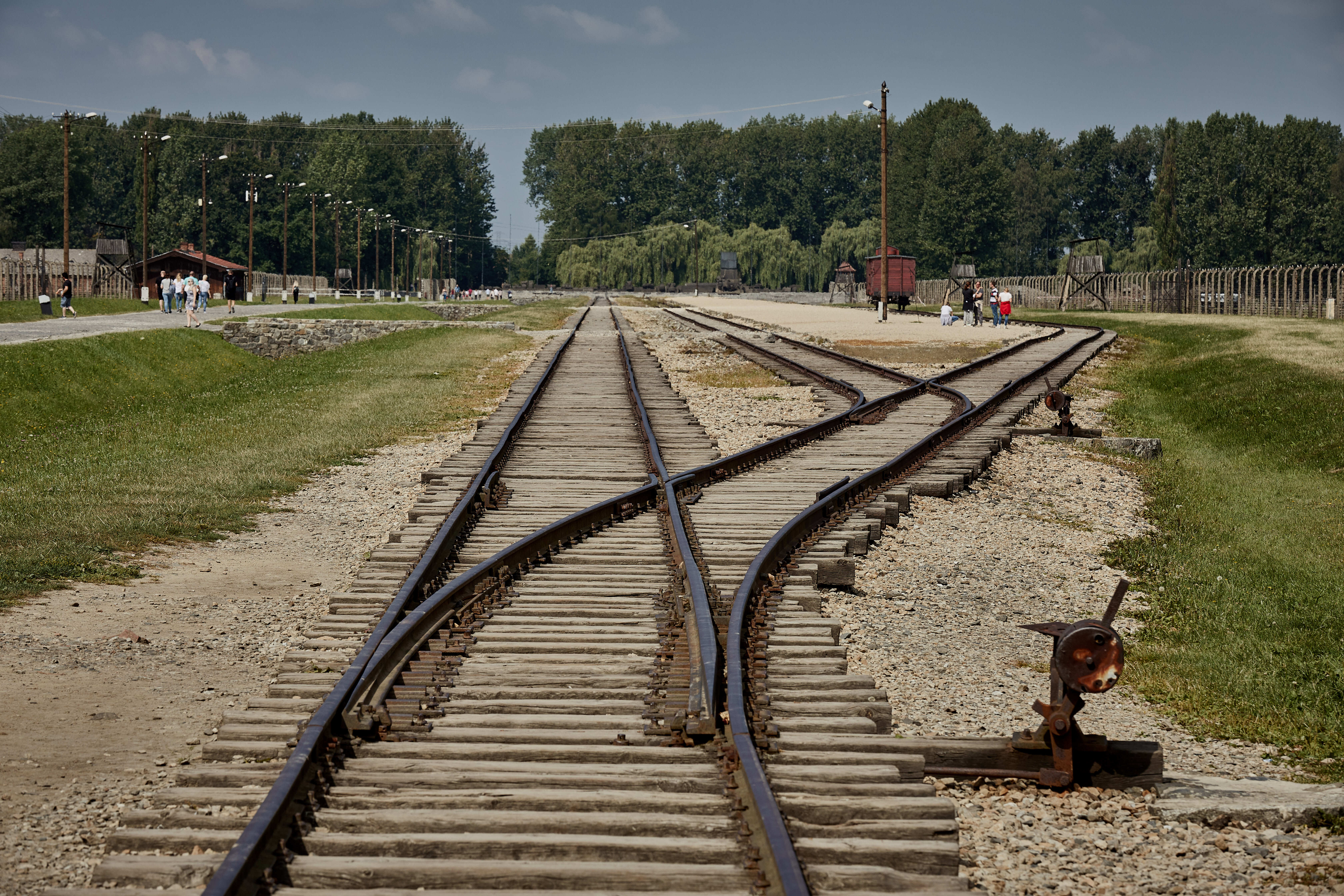
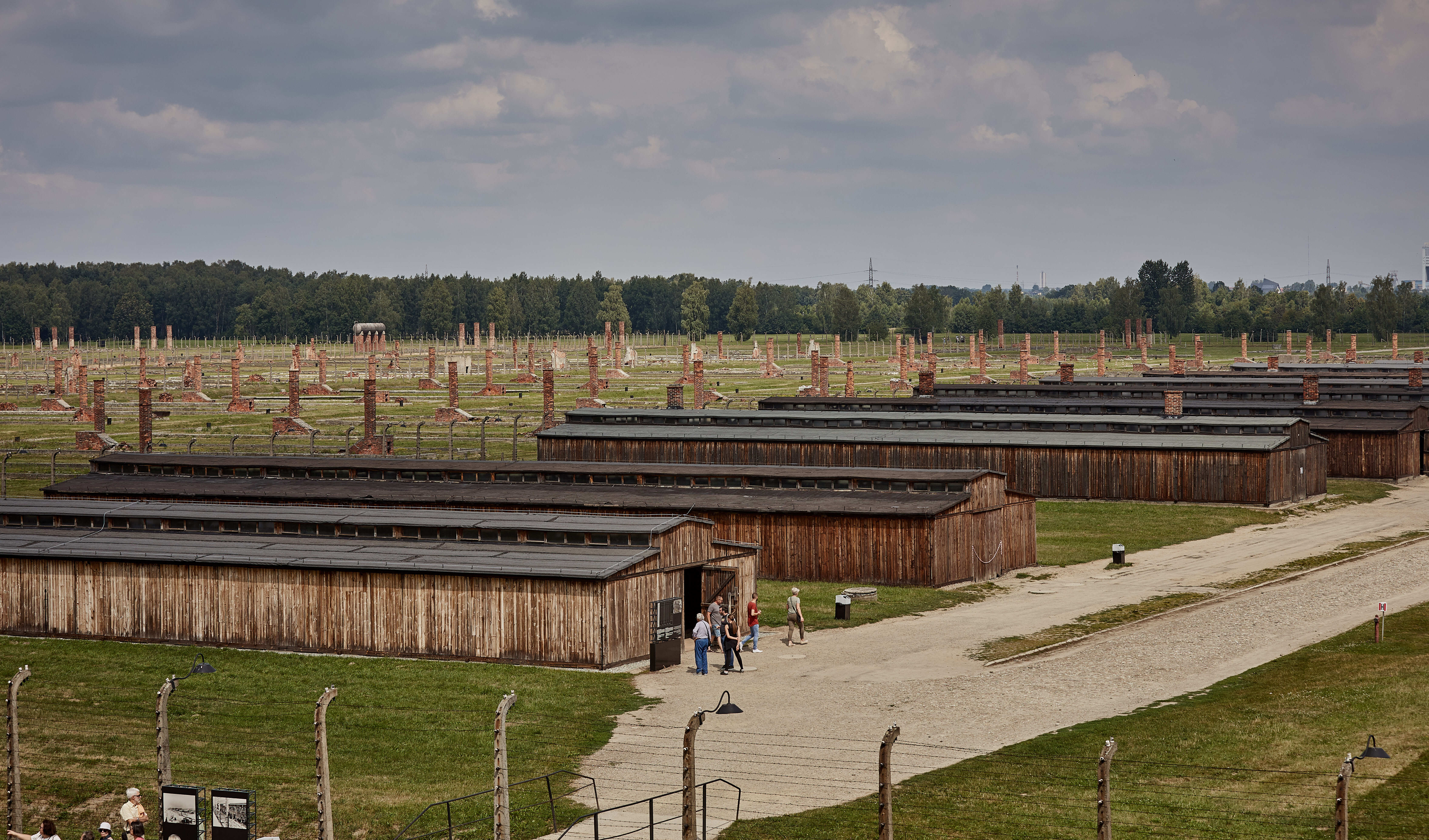
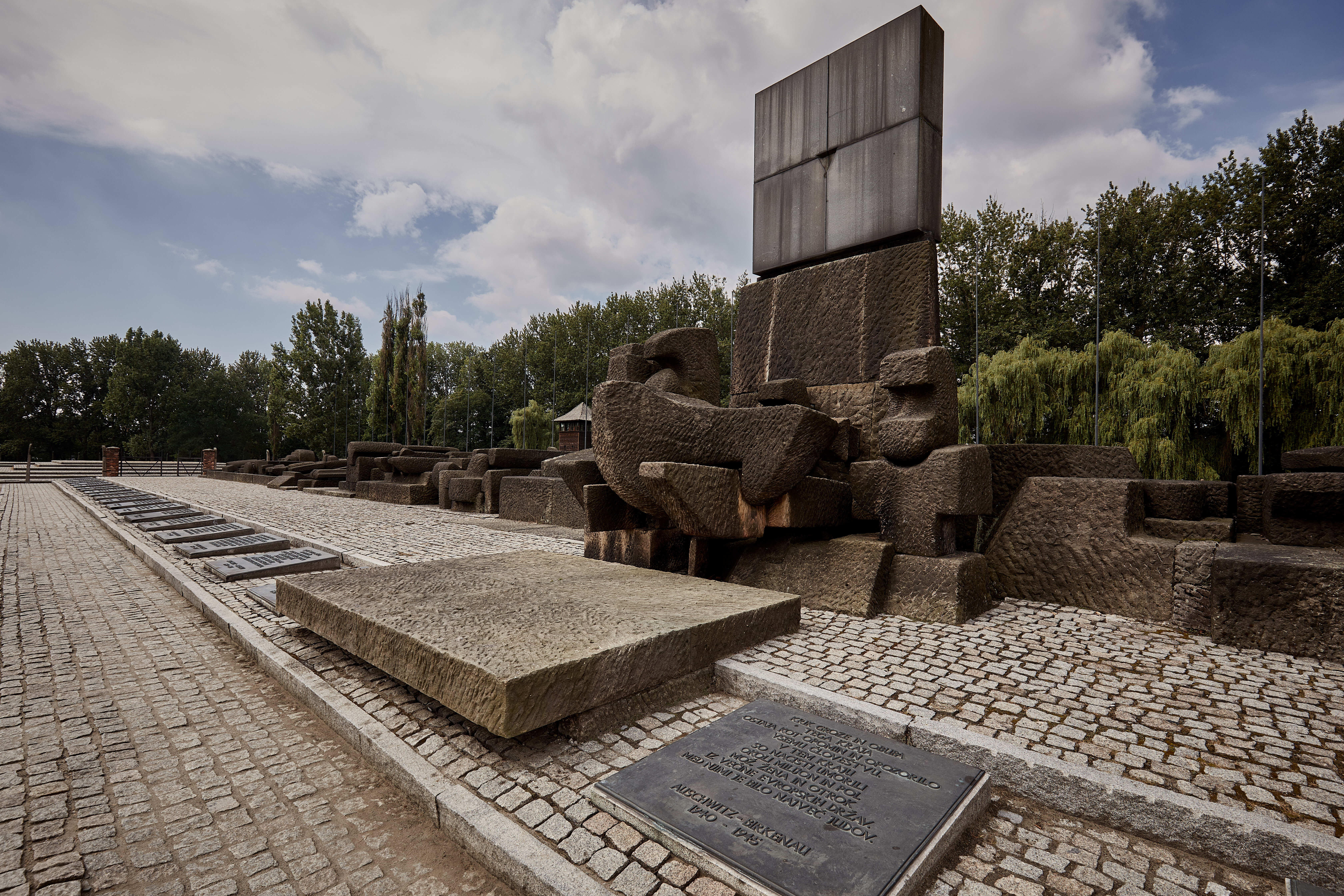
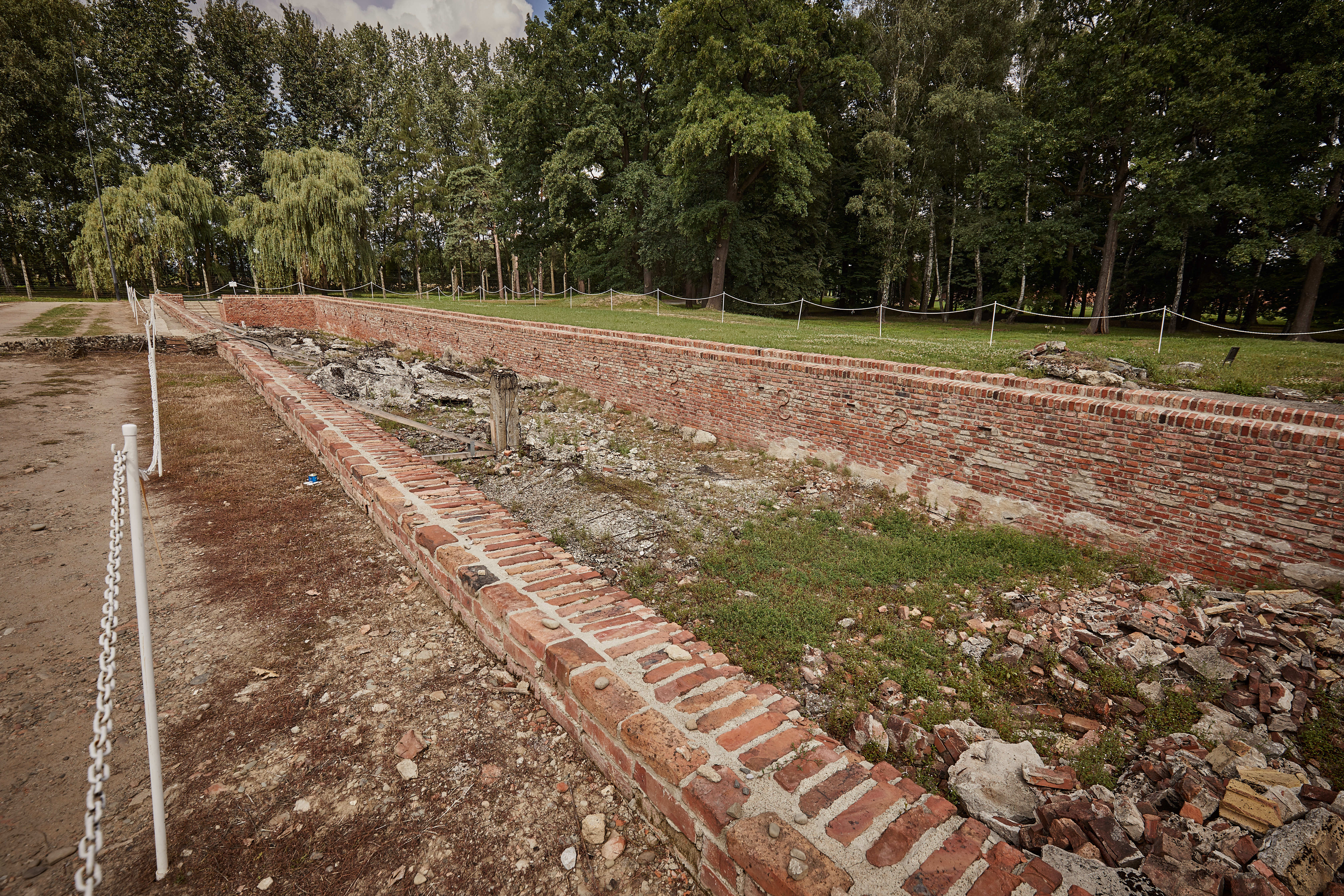
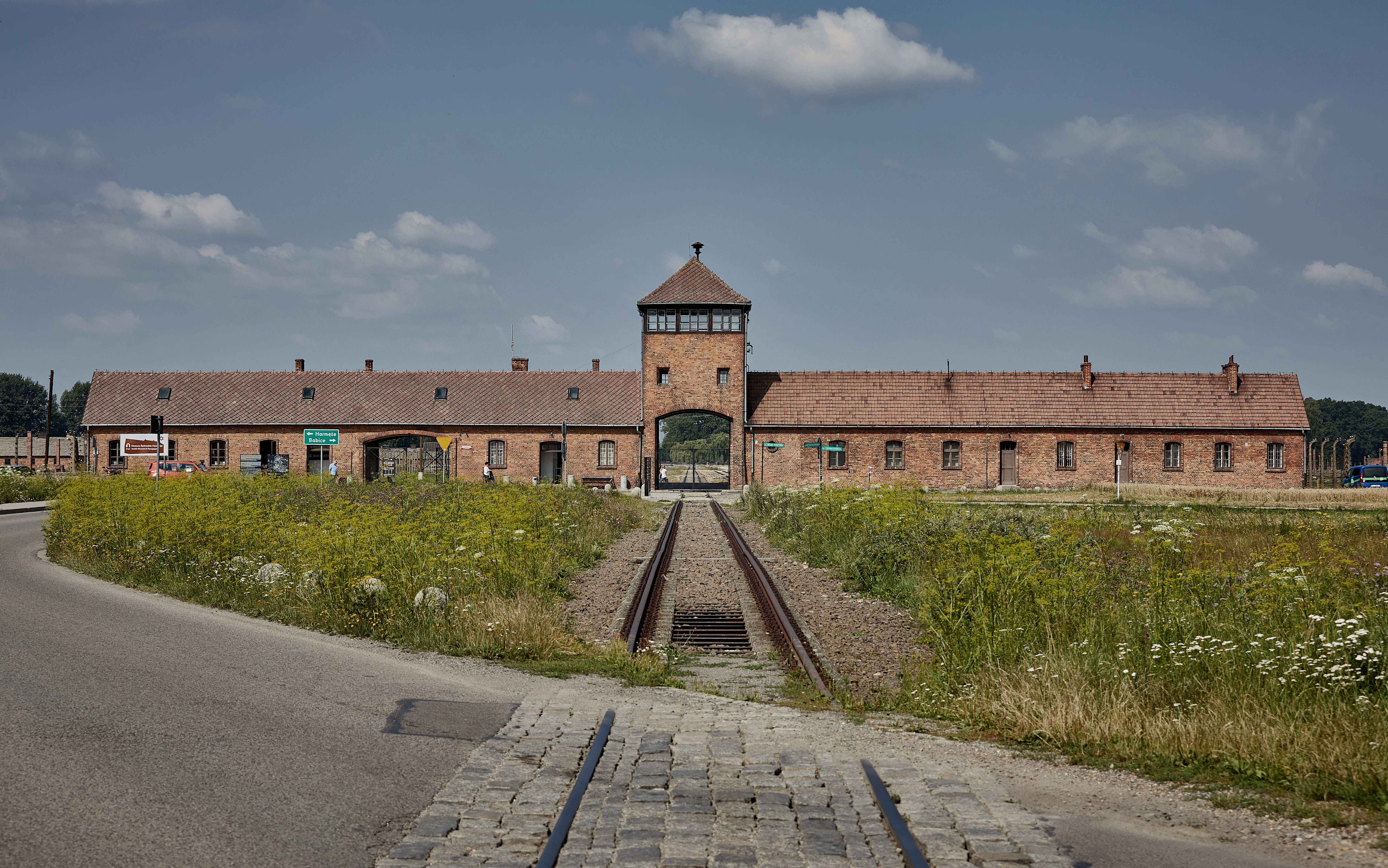
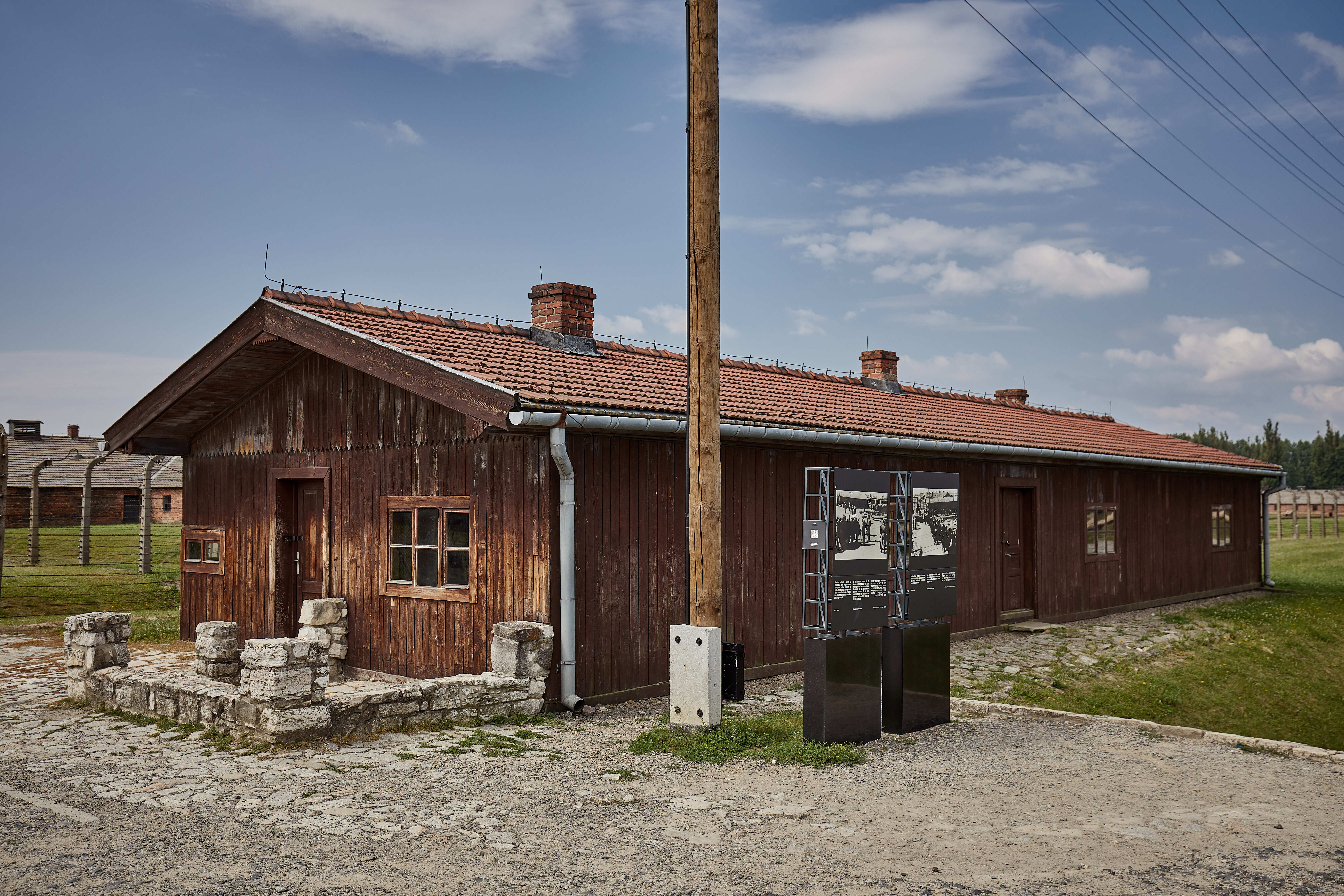
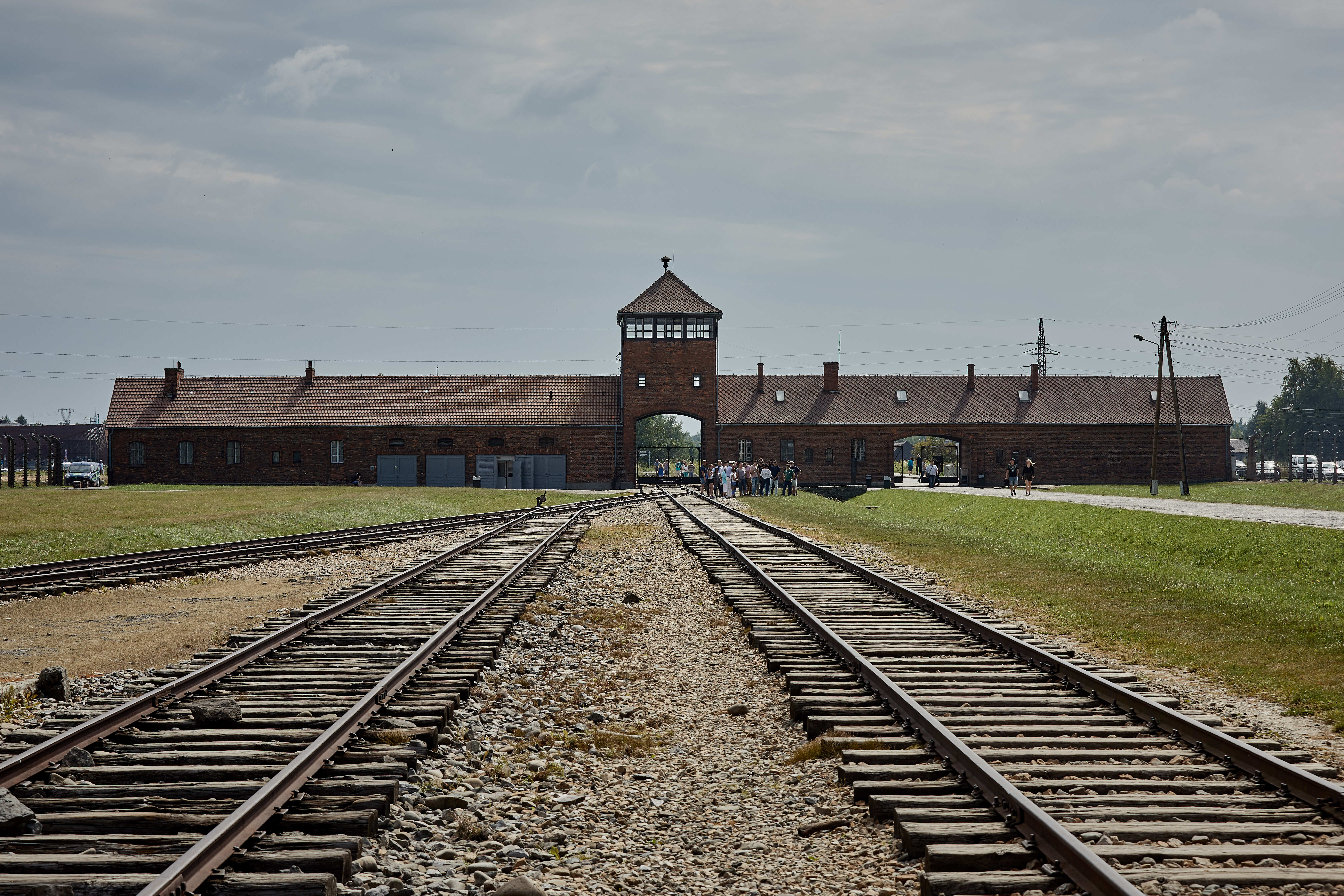
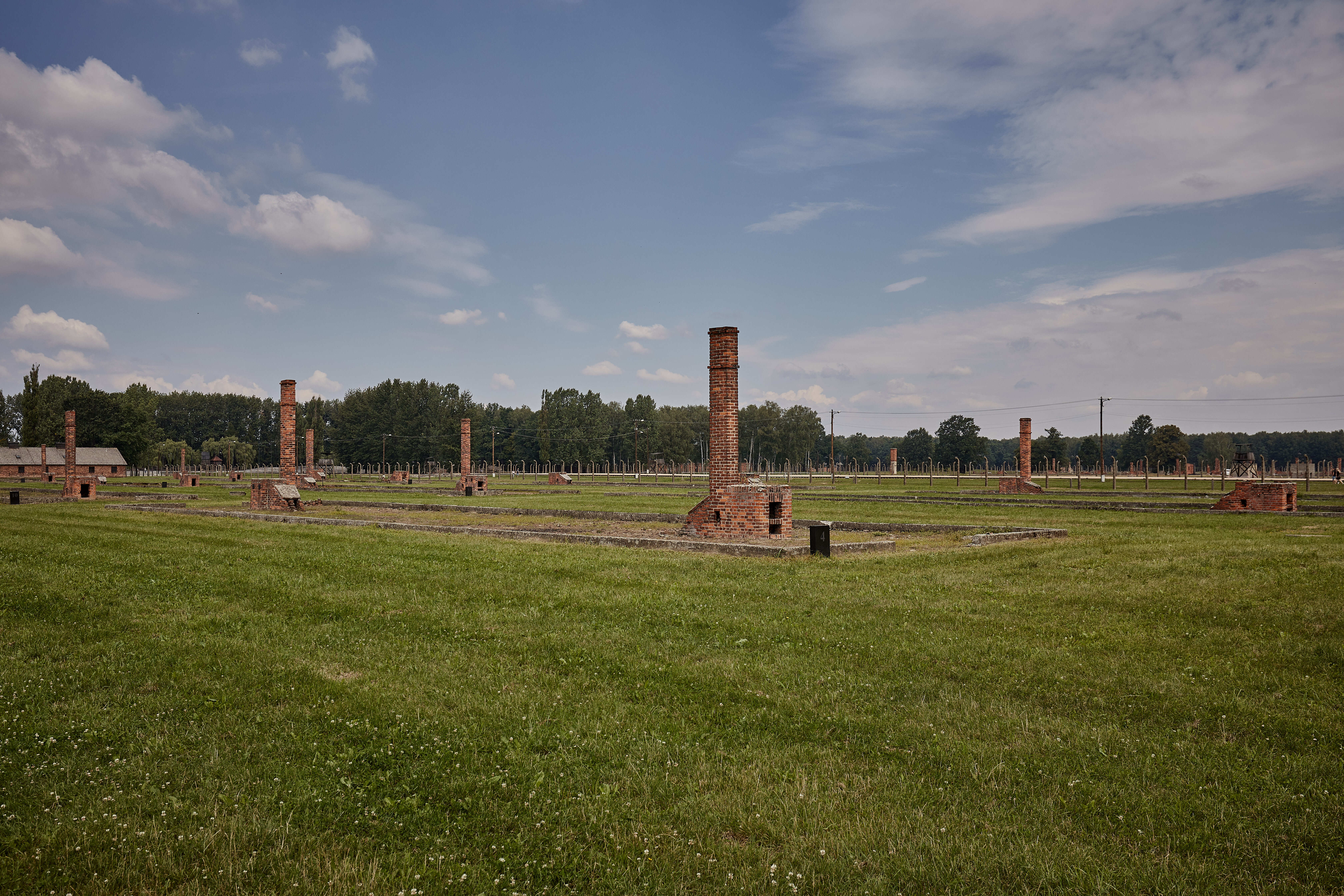
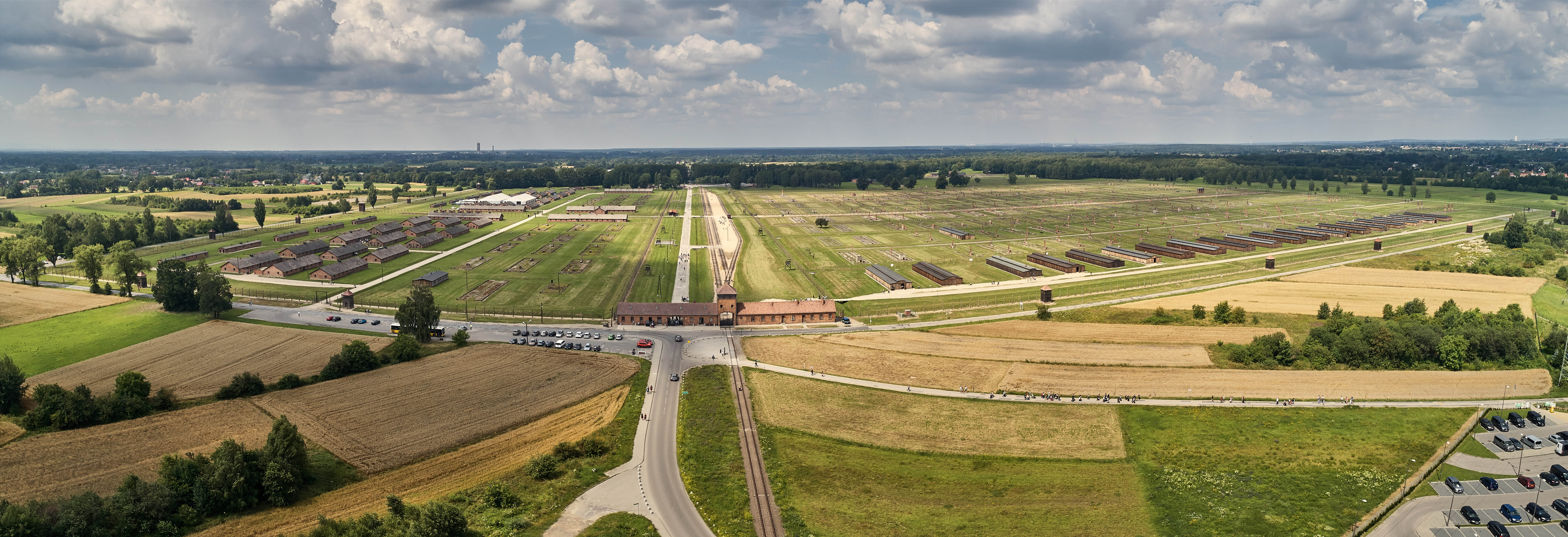
The construction of the Birkenau camp was initiated in the autumn of 1941 with the construction of the BIb section. On 1 March 1942, a group of Polish prisoners and 945 Soviet POWs were transferred from the main camp to the construction site. They served as free labour for the expansion of the camp. Soviet prisoners of war suffered particularly high losses. “They endured cold better than dampness, better then constantly being wet. Moreover, they lived in primitive, half-finished barracks, quickly erected in the first period of Birkenau’s existence”, wrote Rudolf Höss. Until July 1943, this section operated as the men’s camp and had ca. 10,000 prisoners. The women’s camp in Birkenau was located in the BIa section; in July 1943, it was expanded to include the BIb section. It was inhabited mainly by women working outside the camp. Women employed inside the facility or those who had no work assigned, as well as children and women kept in quarantine, lived in the BIa section, which also housed the hospital unit. Pseudo-medical experiments in Birkenau’s Building No. 30 were conducted since late 1942 by doctors Horst Schumann and Carl Clauberg. Barracks No. 25 were designated to house ill and incapacitated women, where they awaited death in terrible conditions. In November 1944, the women’s camp was moved to the BII sector. Analogically to the previous arrangement, there was a separate section for female prisoners fit for work – BIIb – while sick women and children were kept in the BIIe section. In February 1943, a “Gypsy camp” (Zigeunerlager) was opened in the BIIe section; it existed until August 1944. In the period from September 1943 until mid-July 1944, the BIIb section also housed the so-called “family camp” – Familienlager, designated for prisoners from Therestienstadt. Since July 1943, the men’s camp was located in sections BIIc and BIId. The registration and quarantine units for men, opened in August 1943, operated in section BIIa. In July 1943, the hospital section, marked BIIf, began to operate. In December 1943, the “Canada” barracks in the BIIg section were opened. They were used for the segregation and collection of items stolen from the victims. Next to the “Canada” section, there was the so-called new sauna for prisoners admitted to the camp. In June 1944, the camp was expanded beyond the originally designated area. The additional section, marked BIII, was called “Mexico.” It did not have access to running water, sewage or electricity. It was used for temporary detention of transports of Hungarian Jews. In 1943, Birkenau became a site holding the most cutting-edge equipment designed for mass extermination of people. The complexes of four gas chambers and crematories, put into operation by the Zentralbauleitung der Waffen SS und Polizei SS in Auschwitz O/S, numbered I-IV (for Birkenau only) or II-V (including the gas chamber at Auschwitz), were opened in the period from 22 March to 25 June 1943.