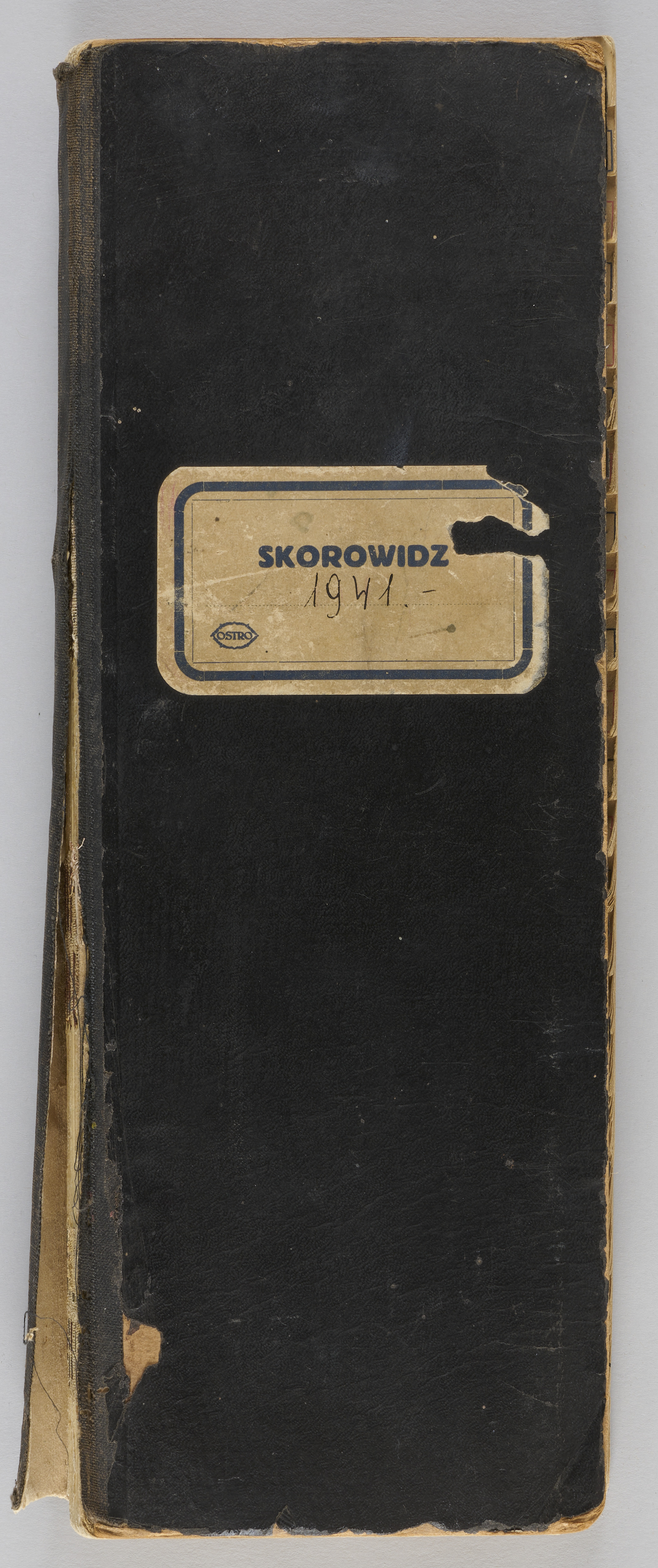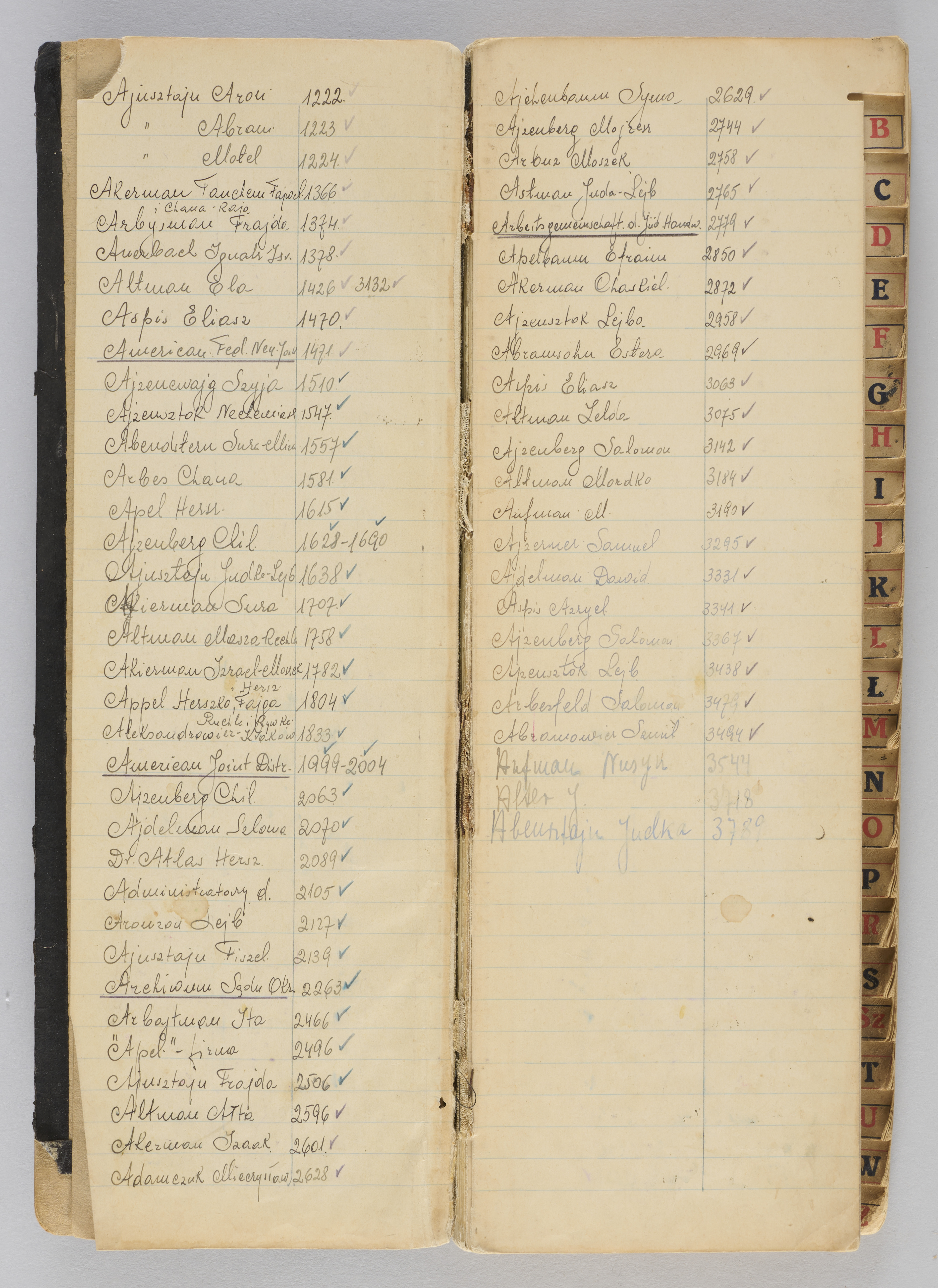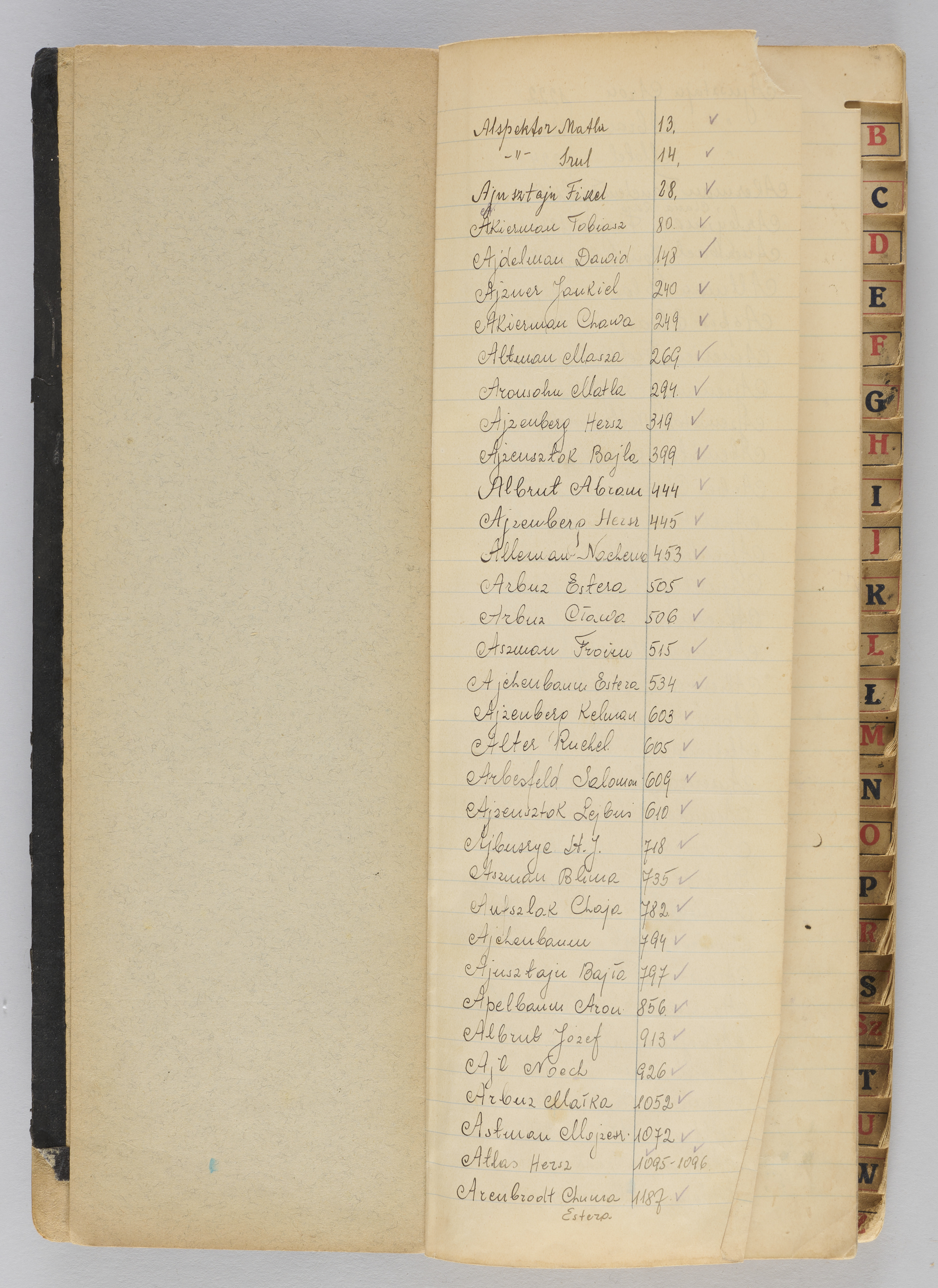
The residual ghetto in Lublin at Majdan Tatarski was established in the second half of April 1942 in the workers' district of Majdan Tatarski, located on the south-eastern outskirts of the city. A few thousand Jews were then placed in a relatively small area, who had survived the liquidation of the ghetto in Podzamcze due to their "privileged" position. The Nazis called the new Jewish residential area Musterghetto (German: "model ghetto"), but in fact it was overpopulated, and the conditions were terrible.
The extermination of the Jewish district took place in stages, marked by successive selections. The final liquidation of the ghetto was carried out by the German occupation authorities at the beginning of November 1942, with the murder of around 200 people in the area. The survivors were sent to KL Lublin (Majdanek concentration camp).
Judenrat (German: Jewish Council), also called the Council of Elders – a body appointed during World War II by the occupying German authorities. Judenrats were responsible for administering Jewish communities: they were in charge of all financial and economic matters of a given Jewish community, and were responsible for, among others, distributing food, providing basic health and social care, helping the homeless, refugees and displaced persons, preventing epidemics of infectious diseases, etc. On the other hand, they were obliged to implement German regulations and orders issued against them. After the beginning of the "Final Solution", Judenrats became one of the elements of the mechanism of deportation and extermination of Jews (for more information, see Paweł Szapiro, Judenrat, in: Polski Słownik Judaistyczny, Warsaw 2003, vol. 1, pp. 718–720).